Chamber of Deputies President calls for taxes on betting to improve public security in Brazil
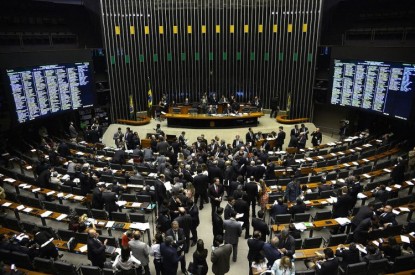
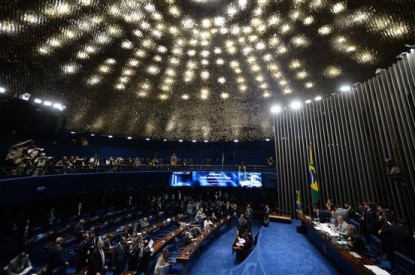
The President of the Chamber of Deputies, Hugo Motta has pushed for increasing taxes on betting companies to improve investments in public security and stated that the measure is likely to find broad support in the Chamber. The declarations were made during an interview with GloboNews.
“Regarding the increase in tax on bets to finance public security, I believe this is a matter that would receive broad support within the Chamber of Deputies if voted on. We understand that there is indeed a lack of funding for security,” the parliamentarian stated.
The Chamber’s president added: “This will only be possible if we find measures that help with this financing. I believe this is a very intelligent measure to increase investments in public security in this country.”
Motta mentioned that the Chamber aims to review a project that changes the purpose of tax collection from betting companies to allocate it to security this week.
In the interview, Motta urged for a “radicalization” of actions against organized crime and emphasized the need to suffocate financial operations related to money laundering.
Regarding the possibility of equating crimes committed by criminal factions to terrorism, Motta noted: “We must consider national sovereignty. We need to take this into account. But it’s also unrealistic to think we can combat organized crime without radicalizing our approach,” he said.
The announcement comes after a least 130 people were killed in a massive police raid aimed at organized crime in Rio de Janeiro. Among the dead were four Brazilian police officers. This has led to heated exchanges among lawmakers regarding the violence. The police operation was one of the most violent in Brazil’s recent history, with human rights organizations calling for investigations into the deaths.
Opposition members criticized President Luiz Inácio Lula da Silva for allegedly abandoning Rio de Janeiro in its fight against organized crime while legislators supporting the federal government placed the blame on Rio de Janeiro Governor Cláudio Castro.