Mexico’s Chamber of Deputies approves gambling tax increase

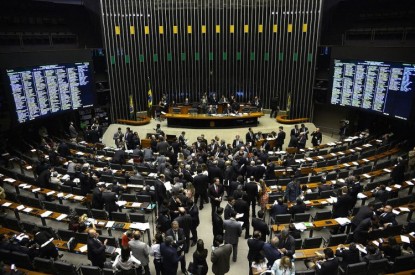
With 351 votes in favour, 129 against, and one abstention, the Chamber of Deputies approved in general the bill that reforms, adds, and repeals various provisions of the Special Tax on Production and Services Law.
The reform seeks to adjust the tax payment for the sale and importation, as applicable, of: manufactured tobacco and other nicotine-containing products; beverages with added sweeteners; gambling and lottery activities, including those conducted electronically; and video games with violent, extreme, or adult content, unsuitable for minors. The objective is to make these products less affordable and discourage tobacco use, supporting public health policies. The quota will also rise for sugary drinks.
The bill also modifies the tax rate for gambling and lotteries from 30 per cent to 50 per cent, including a 50 per cent tax for online gambling and lotteries conducted through electronic media or platforms on both domestic and foreign operators.
Gambling and lottery services offered by foreign providers without a physical presence in Mexico will be considered as provided within Mexican territory if the recipient of the service is located in Mexico. The document also states that residents in the country engaging in gambling or lottery activities through digital platforms must comply with these tax obligations.
Moreover, an 8 per cent tax will apply to the sale of video games with violent, extreme, or adult content, which are not suitable for individuals under 18.
Representatives from the casino sector in Mexico have voiced their concerns about the proposed health taxes by the government of President Claudia Sheinbaum in the Economic Package for 2026. Alfonso Pérez Lizaur, president of the Association of Gaming and Lottery Permit Holders and Providers (AC), said that raising the IEPS (Tax on Personal Income Tax) for gaming and lotteries from 30 to 50 per cent increases the risk of a sector that generates formal income of 42.2 billion pesos, a large portion of which comes from digital channels operated under license, moving into the informal sector.