ES
 IT
 PT
 DE
 NL


The lottery is leaning on video lottery terminals (VLTs) to reach a younger audience
Entre Ríos’ state lottery is pushing into VLTs and online play, with social-programme funding as its case for a coordinated fight against illegal betting.
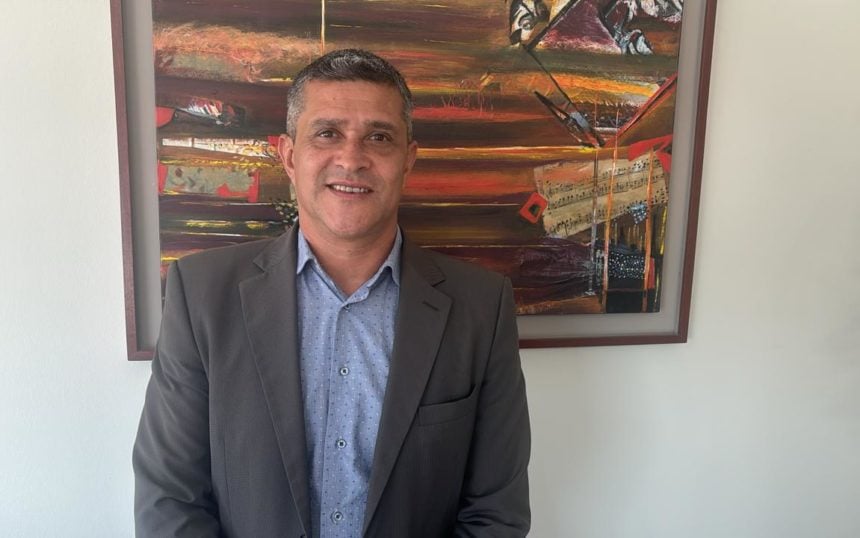
Carlos Moyano, President of Entre Ríos’ gaming regulator and state lottery, the Instituto de Ayuda Financiera a la Acción Social (IAFAS), used SiGMA North America 2026 in Mexico City to lay out how the province’s lottery is modernising, how its revenue is spent, and why he thinks Argentina’s fragmented regulatory map needs a coordinating body to tackle illegal gambling.
Moyano took over the IAFAS presidency on September 12, 2024, appointed by Governor Rogelio Frigerio after Diego Martínez Domé resigned. He was no outsider: he had been the institute’s general manager since 2021. He also sits in the ALEA network of state lotteries, which has been prominent in recent Argentine coverage, from the Paraguay training session against illegal online gambling to Mendoza’s Ida López’s role in the regional-scalability debate.
Moyano described the lottery’s reach as three channels: about 900 points of sale offering lotter bets, pre-printed tickets, jackpot games and house-banked games; eight casinos and 20 gaming venues across the province, run either directly or by concessionaires; and an online platform with slots, casino games and sports betting. The lottery is leaning on video lottery terminals (VLTs) to reach a younger audience, which Moyano says have worked better for that purpose than traditional tombola games.
The online platform is not run in-house. IAFAS uses a concession model: the concessionaire handles advertising, revenue collection, customer acquisition and commercial operations, while IAFAS supervises compliance with the tender terms, keeps public ownership of the gaming operation and receives a concession fee. A 2022 IAFAS publication shows that bplay, the Boldt brand covered in recent ownership-change reporting, launched in the province through an IAFAS-branded site, though the source for this story does not name the current concessionaire.
Moyano stressed the institution’s origin: the lottery’s predecessor fund dates to 1933, and the current institute was created in 1972 under Law 5.144. Concession fees feed the provincial social-action programme the institute is legally required to fund. Revenue now supports security, sport, independent theatre and audiovisual projects, plus a programme for homemakers offering support and benefits to women doing unpaid domestic work. It also pays for prevention: a “Ludopatía” programme for people drifting from entertainment toward problem gambling, and “Jugando divertidamente,” in-person awareness sessions in schools and clubs on responsible use of technology. “We have to offer responsible entertainment,” Moyano said.
Asked what he would ask Argentina’s regulators, Moyano pointed to the country’s 24 independent gambling jurisdictions as the obstacle to a unified response against illegal operators. He did not question provincial authority, but argued isolated responses will not suffice, and called for a “supranational state,” by which he meant a coordinating body inside Argentina able to act “more quickly and immediately.” That echoes the point Buenos Aires province’s IPLyC president Gonzalo Atanasof made after the 537-site block, when he called for a coordinated national policy and nationwide blocking through ENACOM.