ES
 IT
 PT
 DE
 NL


A bipartisan 82 per cent of Americans believe prediction markets should be regulated as gambling rather than financial products
The American Gaming Association’s (AGA) latest American Attitudes survey has found that overwhelming bipartisan agreement exists that sports bets offered by prediction markets should be regulated as gambling, alongside continued enthusiasm for legal gaming as a form of entertainment.
The annual survey also highlights widespread public recognition of gaming’s economic contributions and recognition of responsible gaming messaging.
Prediction markets like Kalshi continue to misrepresent their product as investing while 75 per cent of Americans agree that sports betting on a “prediction market” is fundamentally the same product as betting at a sportsbook.
A bipartisan 82 per cent of Americans believe prediction markets should be regulated as gambling products rather than financial products. That view spans party lines, with agreement among 84% of Democrats, 82 per cent of Republicans, and 80 per cent of independents.
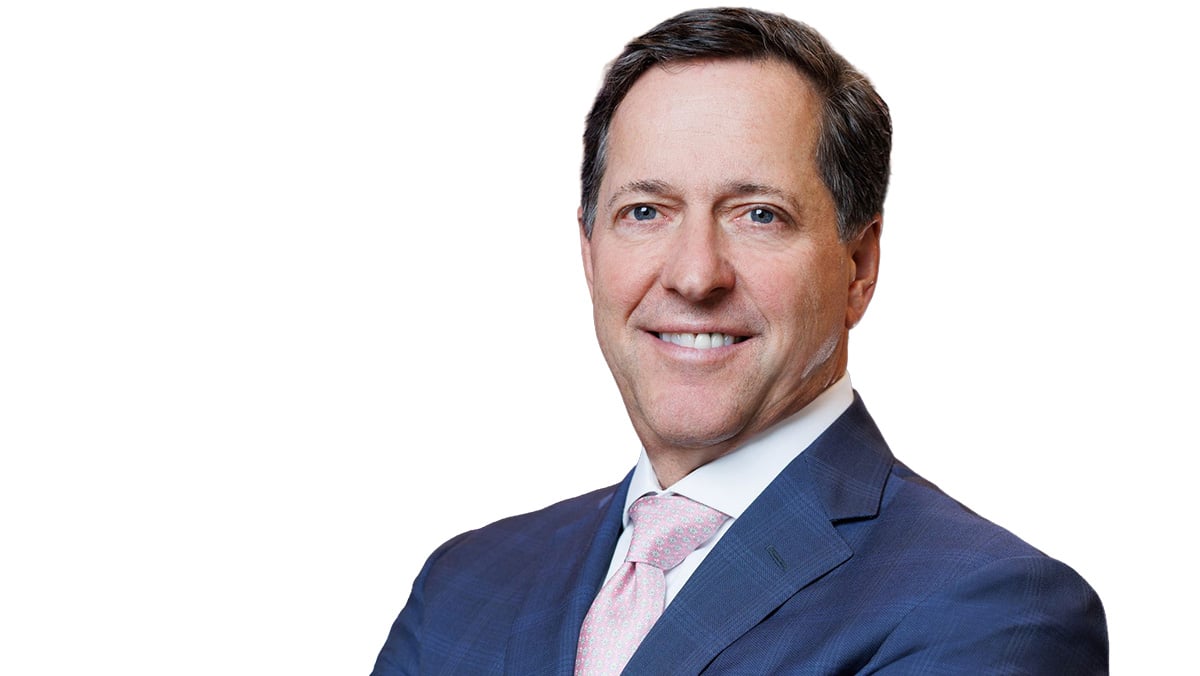
“Insidiously misrepresenting sports betting as an investment to 18-year-olds, and telling them it can pay their rent or college tuition, is a grotesque business practice that undermines decades of work industry, state, and tribal regulators have done to protect and educate consumers,”said AGA President and CEO Bill Miller. “Across party lines, Americans and 47 attorneys general agree that “prediction markets” should be subject to the same rules and provide the same regulatory oversight and consumer protections as state-and-tribal-licensed sportsbooks.”
Americans overwhelmingly believe that prediction markets should be subject to the same licensing, responsible gaming and consumer protection safeguards as state-regulated sportsbooks.
Nearly three-quarters (74 per cent) believe these platforms should verify that every user is at least 21 years old, The same percentage (74 per cent) agree that prediction markets advertisements should include responsible gaming messages and a helpline. Roughly seven in ten believe they should be licensed by the state gaming regulator (71 per cent) and honour state self-exclusion lists (70 per cent).
The results also show the dangers of misleading advertising from prediction markets which claim to offer legal betting in all 50 states, while also describing themselves as investment platforms. 50 per cent of Americans wrongfully believe that prediction markets are state-licensed sportsbooks.
While Americans overall correctly view bets on prediction markets to be as risky as a traditional sports bet, prediction market users see their sports betting “investments” as no riskier than a 30-year mortgage or investment in the stock market.
Nearly nine in ten Americans (88 per cent) view gambling as an acceptable form of entertainment and a majority (52 per cent) participated in some form of gambling in the past year. An estimated 113m adults, representing 44 per cent of Americans, visited a casino during that period to gamble or for other activities.
Americans also recognise the legal industry’s economic contributions. Eight in ten (80 per cent) say the casino gaming industry increases tourism and economic activity where it operates with three-quarters crediting the industry with generating critical tax revenue for state and local governments (76 per cent) and creating good-paying jobs (74 per cent).
The industry continues to effectively promote responsible play as eighty-five percent of gamblers report seeing or hearing responsible gaming information in the past year.
“Americans continue to embrace legal gaming as mainstream entertainment and value the tourism, jobs, and critical tax revenue our industry delivers to communities across the country,” added Miller.
The online survey was conducted on Qualtrics from September 2 to 18, 2026, among a nationally representative sample of 2,268 registered voters aged 21 and older. The reported margin of error is ±2 percentage points at the 95 per cent confidence level and is higher for subgroups.