 ES
ES
 IT
IT
 PT
PT
 DE
DE
 NL
NL


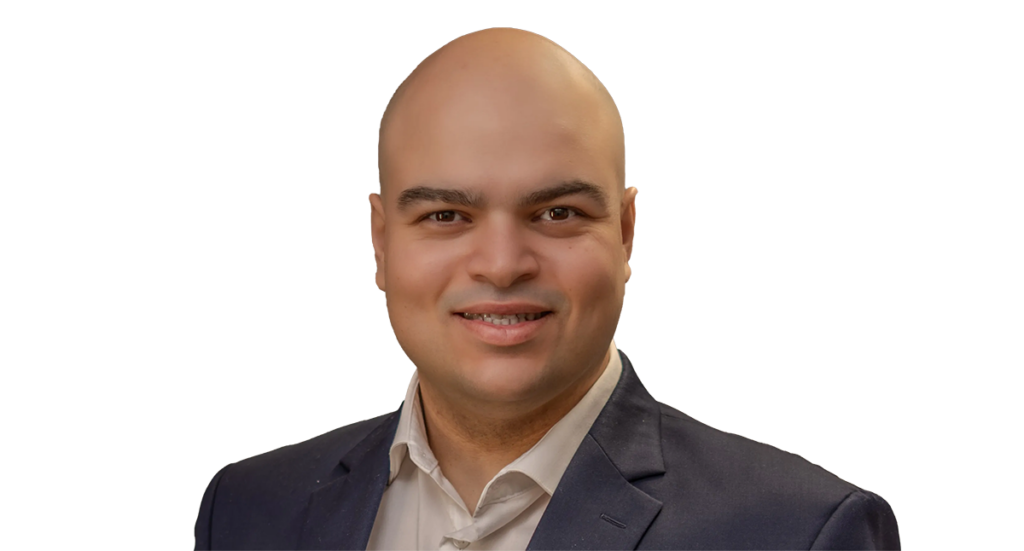
Guilherme Figueiredo, Betano’s director of institutional relations in Brazil, used an interview with Folha’s Felipe Mendes to lay out the operator’s position on several fronts at once: defending continued sports betting advertising, crediting the federal government’s regulatory approach, and linking betting-sector investment directly to Brazilian clubs’ recent run of seven consecutive Copa Libertadores titles. Betano holds roughly a quarter of Brazil’s regulated betting market, giving its positioning outsized weight in how the industry frames itself publicly.
Figueiredo’s path to the role is unusual for the sector. The 49-year-old trained and worked as an Army dentist before finding his professional footing in sport, and specifically football: he ran a company organising stadium tours for tourists at Brazilian venues, led a sports-focused advertising division at Globo, and co-founded N Sports, the broadcaster that carries World Cup coverage in partnership with SBT. Maybe because of his background in sports media and commercial partnerships – rather than a betting-industry pedigree – he doesn’t consider Betano’s sponsorships as typical marketing spend. Instead, he sees them as a direct continuation of the work he was already doing before joining the operator.
Government approach gets a vote of confidence
Figueiredo praised the Lula administration’s strategy of prioritising illegal-operator blocking and consumer education over prohibition, framing it as the more effective path compared with an outright ban. On the CazéTV controversy during the World Cup – where in-match odds promotions drew criticism given the broadcast’s visibility – he acknowledged the episode landed badly for the sector, while pointing to the broadcaster’s quick correction: within three days, he said, CazéTV adjusted its approach to keep brand exposure while foregrounding responsible-gambling messaging, and noted that none of the three companies involved had done anything illegal.
On the advertising rules floated by Finance Minister Dario Durigan, Figueiredo said Betano supports regulated messaging standards and would comply with requirements such as mandatory warnings about financial loss and addiction risk – positioning the operator as receptive to tighter advertising rules rather than resistant to them. He tied the sector’s football investment directly to on-pitch results, pointing to the return to Brazil of top players like Neymar, Lucas Paquetá and Vitor Roque as evidence of betting money strengthening Brazilian clubs’ competitiveness, and framed the Libertadores streak as a downstream benefit of that spending.
Tax revenue reaching Paralympic sport
He also highlighted a less-discussed revenue channel: betting-sector tax contributions to Paralympic sport, which he said generated more than R$50 million last year – exceeding Caixa’s own sponsorship of the segment – with part of that funding reaching the Brazilian Paralympic Committee to cover transport and sporting activities for children with disabilities.
He pointed to Brazil’s facial recognition verification system, which ties each betting account to a user’s CPF (tax ID) and checks age, enrolment in social programmes like Desenrola, and any financial restrictions, as a distinguishing feature of the country’s framework relative to other markets. Figueiredo contrasted this with the pre-regulation era, when operators were required to keep funds outside Brazil entirely, describing the daily cross-border currency transfers that arrangement demanded as an unsustainable workaround now resolved by formal licensing.
AI and broader market consolidation
On the recent wave of sponsors exiting Brazilian football, Figueiredo said he expects a recovery in 2027, alongside broader market consolidation as mergers and closures thin out operators that fail to hit expected returns. Asked about Betano’s own M&A activity, he confirmed the operator has acquired an international artificial intelligence platform, currently being rolled out in smaller markets ahead of a planned Brazil launch.