 ES
ES
 IT
IT
 PT
PT
 DE
DE
 NL
NL


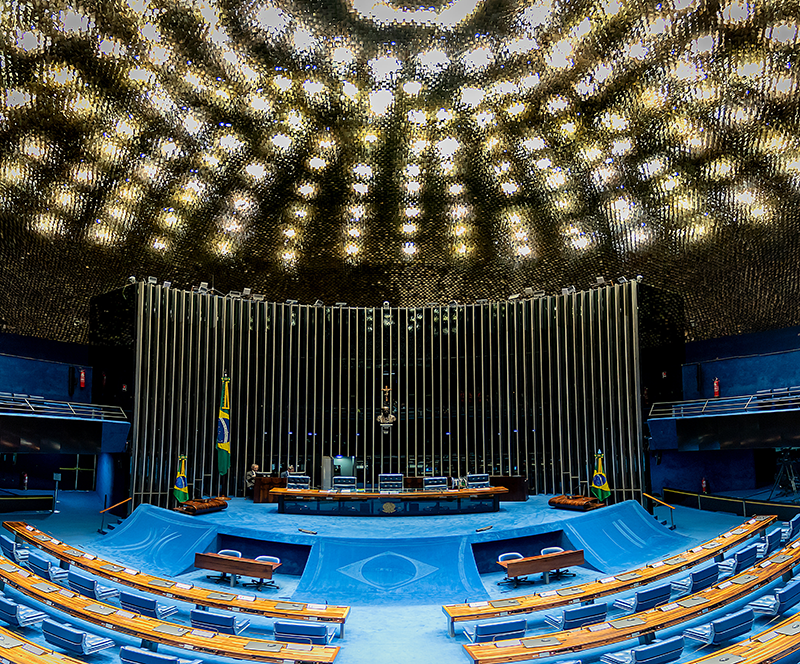
Brazilian lawmaker Rodrigo Rollemberg has introduced legislation that would effectively ban fixed-odds betting in the country, including operations run from overseas.
Bill 2,972/26 would prohibit the exploitation, offering, advertising and processing of transactions connected to fixed-odds betting. The proposal covers both land-based and online operations and would revoke Law 14.790/23, which established Brazil’s regulatory framework for the sector.
The bill would also prohibit the use of brands, algorithms, systems and commercial structures dedicated to fixed-odds betting, alongside advertising, sponsorship and other forms of marketing promotion.
Rollemberg, a member of the Brazilian Socialist Party (PSB-DF), argued that the social and economic costs of betting outweigh its contribution to public revenue.
The proposed legislation would introduce penalties ranging from warnings and the seizure of assets to suspension of activities. Fines would range from R$50,000 to R$2 billion.
Under the bill, revenue from fines would be distributed between public funds, with 50% allocated to the National Health Fund, 30% to the Fund for the Defence of Diffuse Rights and 20% to the National Fund for Children and Adolescents.
Operators with more than 1 million users would also be required to maintain dedicated reporting channels, implement auditing mechanisms and publish monthly transparency reports detailing removed content.
The proposal would provide free assistance from consumer protection bodies and allow debtors to claim special vulnerability when negotiating or facing collection of debts. That protection could apply for up to five years.
The bill also introduces measures aimed at protecting children, adolescents and young adults. Advertising directed at these groups would be prohibited, as would the use of elements designed to attract them and the hiring of influencers to promote betting.
People affected by gambling disorder would be entitled to comprehensive support through Brazil’s Unified Health System (SUS), including outpatient treatment and hospitalisation.
According to figures from Brazil’s Ministry of Finance cited in the bill, more than 25.2 million people bet through betting platforms in 2025. More than 217,000 requested self-exclusion and blocking from betting platforms during the year, with 73.4% choosing indefinite exclusion.
The proposal will be considered by the Chamber’s Consumer Defence Committee; Committee on Social Security, Assistance, Children, Adolescents and Families; Communications Committee; Finance and Taxation Committee; and Constitution and Justice and Citizenship Committee. If approved by the committees under the conclusive procedure, it would still need to pass the Senate before becoming law.
The proposal comes as opposition to gambling becomes an increasingly prominent issue in Brazil’s political debate, with presidential candidates becoming more vocal in their criticism of betting.
President Luiz Inácio Lula da Silva has stepped up his attacks on betting, while other candidates, including Romeu Zema, have also called for tougher action against the sector. The growing political focus suggests that gambling could become a significant issue ahead of Brazil’s 2026 presidential election.