 ES
ES
 IT
IT
 PT
PT
 DE
DE
 NL
NL


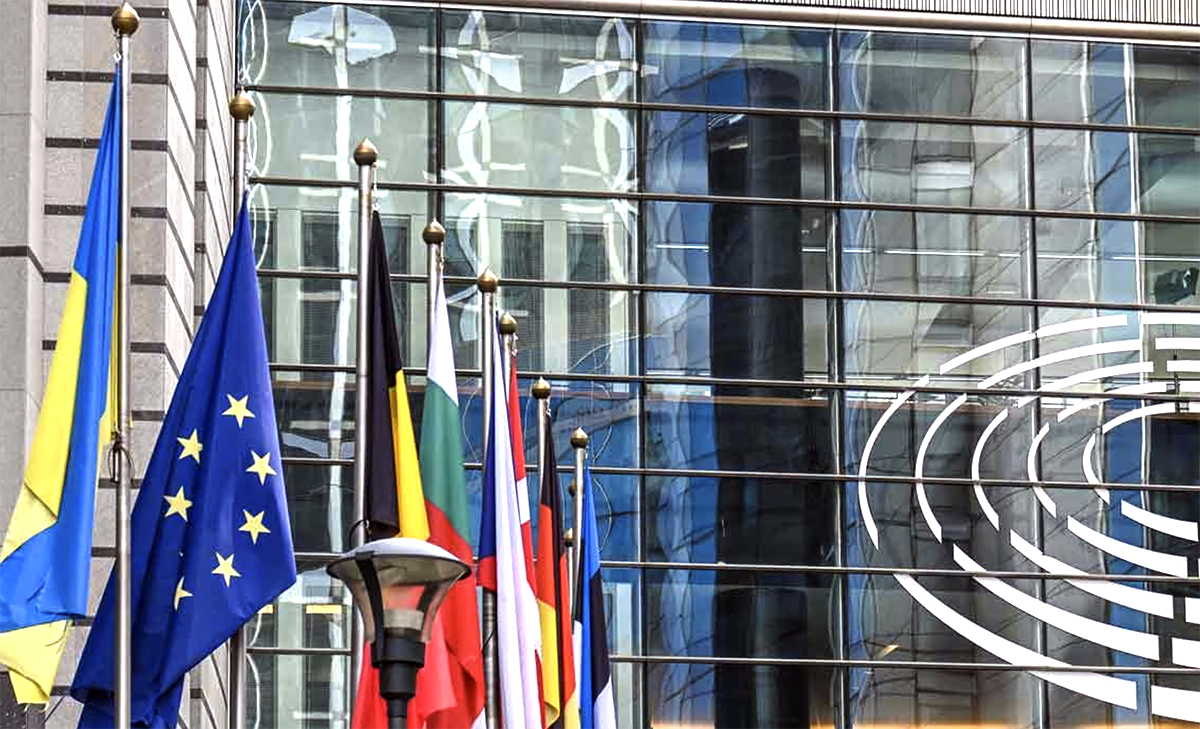
The European Casino Association has warned that the illegal online gambling market targeting EU consumers reached €91.6bn in 2025, an increase of around 14 per cent year-on-year, with governments across the bloc estimated to have lost €22.9bn in tax revenue.
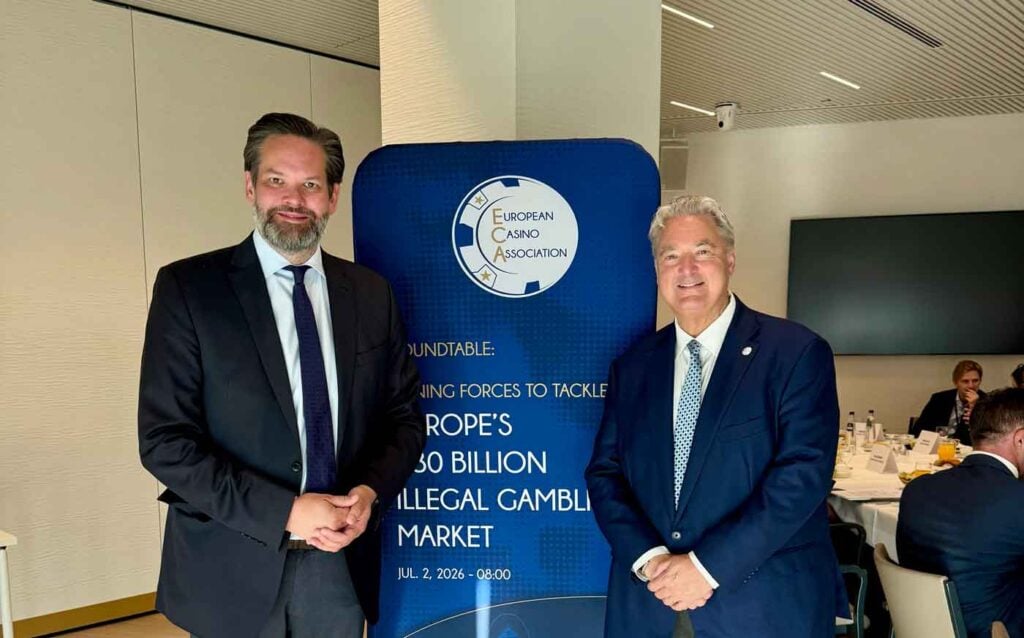
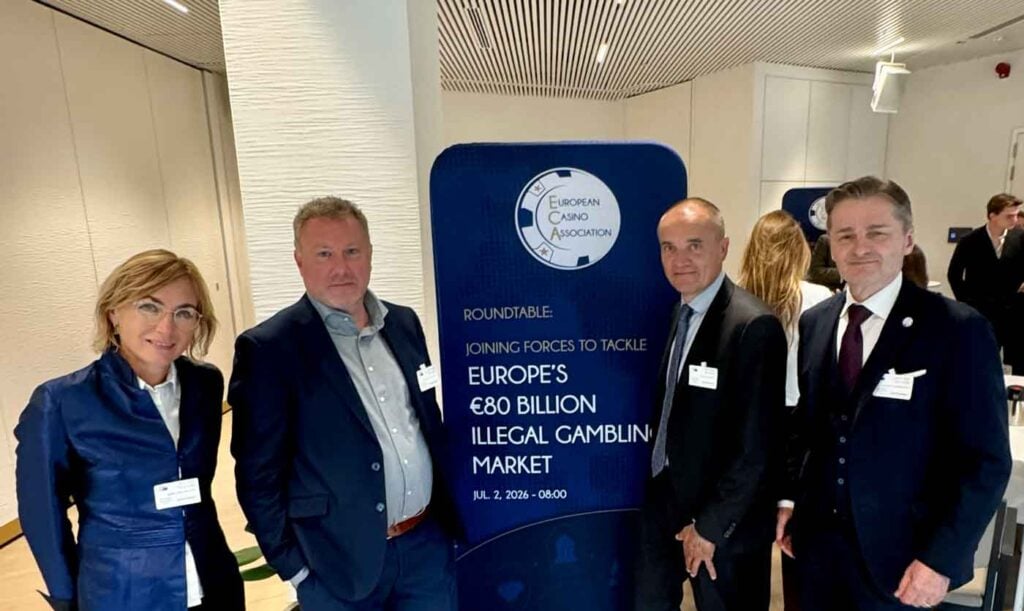
The figures were unveiled during a high-level roundtable on illegal online gambling hosted by MEP Lukas Mandl at the European Parliament. The event brought together representatives from the European Commission, the Anti-Money Laundering Authority, Eurojust, the Joint Parliamentary Scrutiny Group on Europol, national gambling regulators and industry stakeholders.
The latest figures, presented by ECA Chair Erwin van Lambaart, are drawn from the association’s annual study conducted by Gambling Compliance International. They show that illegal operators now account for the majority of online gambling revenue in the EU-27, with more than 6,200 unlicensed operators actively targeting European consumers.
According to the report, the overwhelming majority of online gambling content encountered by European consumers promotes illegal, unlicensed operators, underlining the growing challenge facing regulators and licensed operators alike.
The parliamentary discussion focused on the cross-border nature of illegal gambling and the need for stronger enforcement and greater cooperation between European institutions and national authorities. The timing coincides with proposals from the European Commission to reform the mandate of Europol, which plays a key role in tackling cross-border organised crime.
Van Lambaart said: “The 2025 data from the GCI report leaves no room for doubt: illegal online gambling is a fast-growing, cross-border problem that puts players, especially young adults, at high risk, deprives societies of much-needed tax revenues, and undermines trust in the regulated market. Licensed casinos and their online businesses operate under strict rules and invest heavily in responsible gambling and anti-money-laundering measures. Yet illegal operators, often based outside the EU, can reach European consumers at the click of a button, without safeguards, without oversight and without contributing to our communities.”
He added: “This is why we need strong political will and strengthened public-private cooperation that is aligned with this reality. By connecting national enforcement efforts, financial intelligence units and sector expertise, European institutions and agencies such as the European Commission, Europol and AMLA can help us turn data into action. If we fail to act now, the illegal online market will continue to grow at the expense of players, public finances and legitimate businesses.”
Mandl described illegal online gambling as “a serious cross-border threat” affecting consumer protection, organised crime and the integrity of the EU’s internal market.
“The evidence presented by the European Casino Association today show where cooperation is needed to do more,” he said. “I will bring these insights into our parliamentary work and encourage colleagues cross-party to jointly go against the negative effects of illegal gambling from mental health issues to existential disasters of individuals and entire families, so that we can better protect citizens and make a clear difference between criminal activities and those operators who play by the rules.”