ES
 IT
 PT
 DE
 NL


Betting sponsorship accounted for 36 per cent of the marketing revenues of Serie A teams
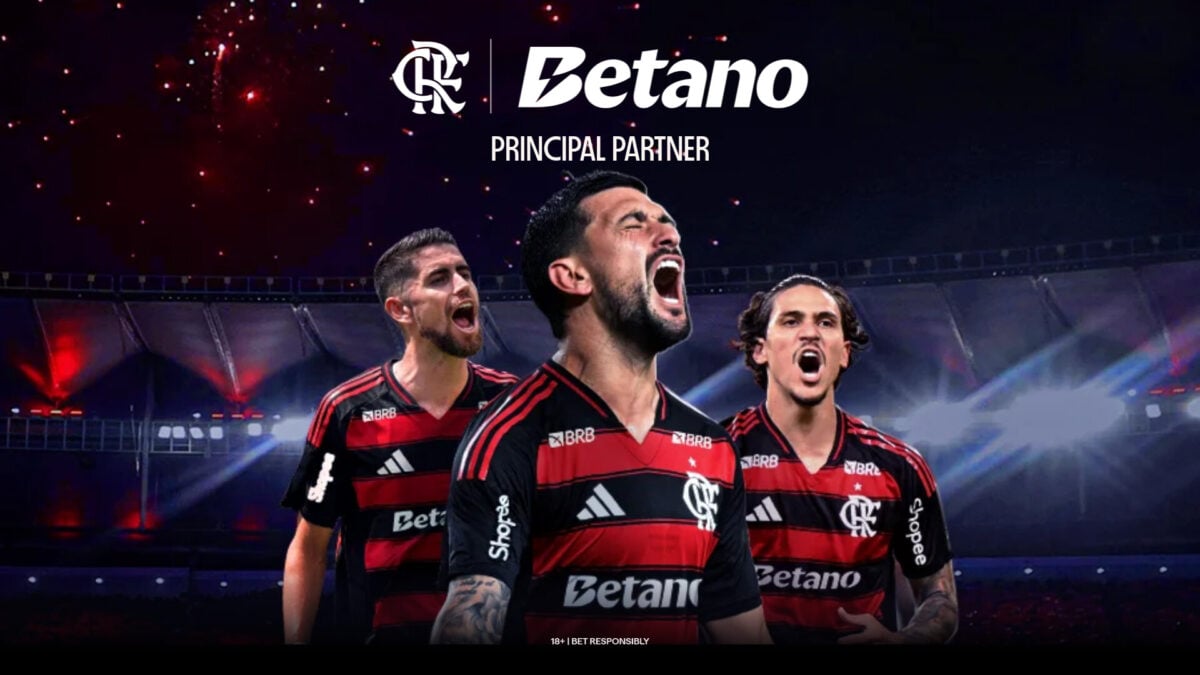
Betano has informed Brazilian football club Clube de Regatas do Flamengo that its sponsorship contract will be suspended until March 31, 2027, or until Provisional Measure No. 1,394/2026 is revoked, suspended, or extinguished, whichever comes first.
An official at Betano said: “Betano announces the suspension of its sponsorship of Flamengo in light of ongoing uncertainty surrounding the fixed-odds betting sector and the lack of resolution regarding Provisional Measure No. 1,394/2026. Since the measure was published on 25 September, the company has been adapting its operations to the new reality imposed on the legal and regulated market, focusing on preserving jobs and upholding its commitments to social initiatives and to the club.”
“Even while barred from displaying its brand on team uniforms and commercially activating the assets stipulated under the agreement, Betano sought to preserve the sponsorship for as long as possible, recognising the vital importance of this investment to soccer, Olympic sports and the professionals involved in those activities.
“The prolongation of this scenario, however, led the company to decide to suspend the sponsorship until there is clarity regarding the operating conditions for the sector.
“Betano reaffirms its respect for Flamengo, its athletes, staff and supporters, and remains committed to Brazil and to building a responsible, regulated and safe market.”
An official at the Clube de Regatas do Flamengo said: “In recent years, the Brazilian State has authorised, regulated, taxed, and supervised the sports betting market. Based on this legal framework, companies, clubs, federations, and sports entities entered into legitimate contracts and assumed long-term commitments. The scale of this shock goes far beyond individual sponsorship contracts.”
“The impact spreads throughout the chain: clubs, competitions, suppliers, athletes, youth categories, and other properties that depend directly or indirectly on this investment.”
In 2025 alone, companies in the betting sector invested about R$1.14bn in direct sponsorships to the 20 largest Brazilian clubs. On average, these resources accounted for 36 per cent of the marketing revenues of Serie A teams and, in some clubs, more than 70% of sponsorship revenues.
When investments in advertising signs, commercial properties, broadcasting rights, and state and national competitions are also considered, the direct and indirect losses to the Brazilian football ecosystem are estimated at approximately R$2.5bn per year.
Olympic and Paralympic sport also loses an important source of funding provided for in the legislation. Estimates presented by Brazil’s Olympic Committee point to a cumulative reduction of approximately R$ 2.6 billion in resources allocated to national Olympic and Paralympic sports by the end of 2027, at a decisive moment in the preparation cycle for the Los Angeles 2028 Olympic Games.
Flamengo added: “There is also an effect on the international competitiveness of Brazilian football. While the country’s clubs lose a significant source of funding, opponents from other South American markets remain authorized to attract sponsorships from the sector, creating an economic asymmetry in continental competitions.”
“Therefore, it is not just about removing a category of sponsors. This is the immediate withdrawal of billions of reais from a chain that had made long-term commitments under the then-current rules.”