 ES
ES
 IT
IT
 PT
PT
 DE
DE
 NL
NL


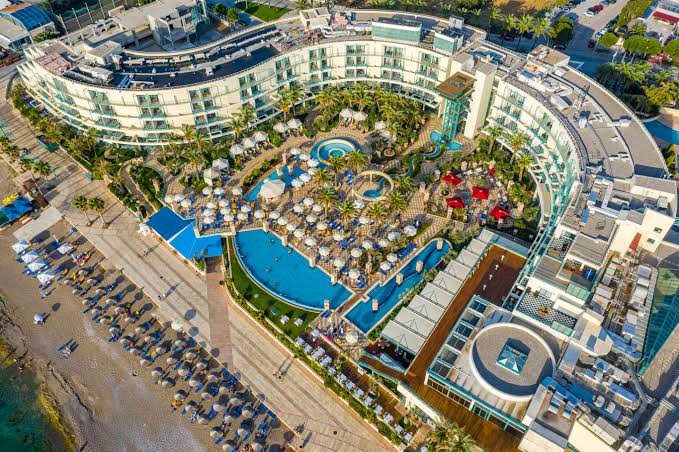
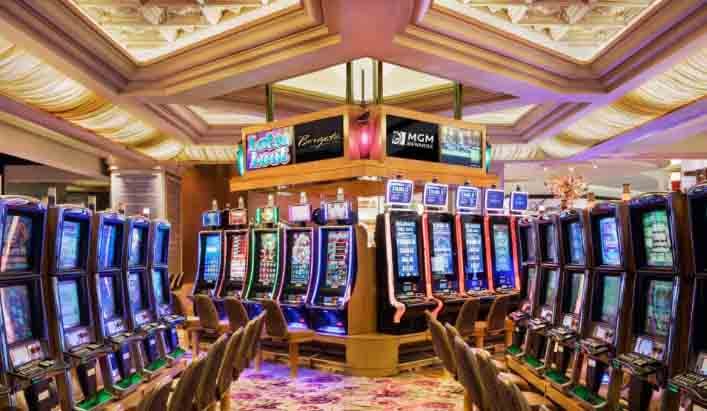
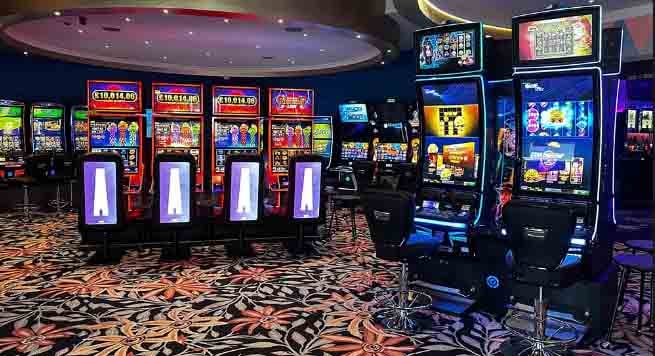
Slot machines accounted for 62.42 per cent of the casino total
A new report from the Hellenic Gaming Commission has shown that Greek gambling companies generated total Gross Gaming Revenue (GGR) in 2025 of €3,073m, representing a 6.74 per cent increase compared to 2024.
The land-based sector accounted for a 61.2 per cent share of total GGR, with online gambling accounting for a 38.79 per cent share. Lotteries remained the most significant category in terms of GGR, accounting for 37.82 per cent with revenues of €711.3m. That was followed by sports betting with a share of 22.02 per cent and revenues of €414.2m. VLTs accounted for 19.45 per cent, generating revenues of €365.9m, whilst casinos made up 14.28 per cent of Greece’s, with revenues of €268.6m. Horse racing maintained a limited share, accounting for 0.34 per cent with revenues of €6.4m.
Greece had eight land-based casinos in operation during the year, accounting for 8.74 per cent of
total Gross Gaming Revenue (GGR). Gross Gaming Revenue (GGR) from slot machines accounted for 62.42 per cent of the total GGR of these operations, while revenue from table games accounted for 37.58 per cent.
The report said: “The trend of slot machines outperforming table games in the financial results of casino operations began to take shape gradually from 2005 onwards; today, it has become a permanent fixture, demonstrating a clear shift towards gaming options that align with modern technology and do not require knowledge of specific rules of play. On the other hand, the table games category holds a relatively limited yet stable share of the overall Greek casino market, with its Gross Gaming Revenue (GGR) amounting to €100,927,630—representing 3.28 per cent of the total GGR. “
American Roulette accounts for 50.65 per cent of the live gaming total, a trend that is projected to continue into 2025. Blackjack tables accounted for 31.5 per cent of the table games’ GGR, poker games for 11.67 per cent, and Punto Banco for 3.32 per cent.
Antonis Vartholomaios, Chairman of the Hellenic Gaming Commission, said: “Every review is more than just a record of actions and results. It is an opportunity to assess the path we have travelled, acknowledge the challenges we have faced, and reflect on the priorities that will shape our next steps. In recent years, we have witnessed changes affecting the way markets, businesses, and public institutions operate. The digital transition, the adoption of new technologies, and the constantly shifting social and economic landscape are creating both new opportunities and new challenges for every regulatory authority.
“The environment in which the HGC is called upon to fulfil its mission is changing constantly and rapidly. To achieve our mission, we must not only change and adapt but also—where necessary—shape developments ourselves. We must plan ahead, harness the potential of innovation, and create the conditions for a market that is safer and more resilient to future challenges.”
“The HGC continued to invest in modern tools, new control methods, and upgraded infrastructure to respond more swiftly and effectively to the demands of a constantly evolving market. Particular emphasis was placed on leveraging technology and data to strengthen the Authority’s supervisory and audit functions. The development of new IT tools and the upgrading of our processes represent more than just organisational improvements; they are essential prerequisites for a modern regulatory authority that aims to operate proactively, identify risks early, and intervene effectively where necessary.
“The year 2025 was also a year of strategic preparation for the future. The HGC’s Strategic Plan for the 2026–2030 period reflects our ambition to further develop the Authority and strengthen its institutional role within a constantly evolving environment. Key priorities include protecting society—particularly vulnerable groups and players—strengthening supervisory and audit activities with an emphasis on combating illegal gaming and safeguarding the public interest, leveraging new technologies, fostering a culture of compliance, and ensuring institutional effectiveness.
“The HGC enters this new era with confidence, a clear strategic orientation, and a strong sense of institutional responsibility,” he added. “Committed to the principles of independence, transparency, accountability, and effectiveness, we will continue working towards a safe, reliable, and socially responsible gaming market. Public trust, the protection of the public interest, and the continuous enhancement of our institutional role serve as the compass that will guide our every initiative in the years to come.”
Land-based gambling remained the dominant segment, generating €1.88 billion and accounting for 61.2% of total GGR, while remote gambling contributed 38.8% and recorded year-on-year growth of 10.5%.
The EEEP reported supervisory income of €23 million, funded entirely through statutory sources. Public revenues generated from gambling through taxes, levies and licence fees totalled €1.17 billion, marking an 11.2% increase from the previous year.
OPAP, the country’s lottery, generated 28 per cent of Greece’s total gambling revenue, with a further €326.66m.