 ES
 IT
 PT
 DE
 NL


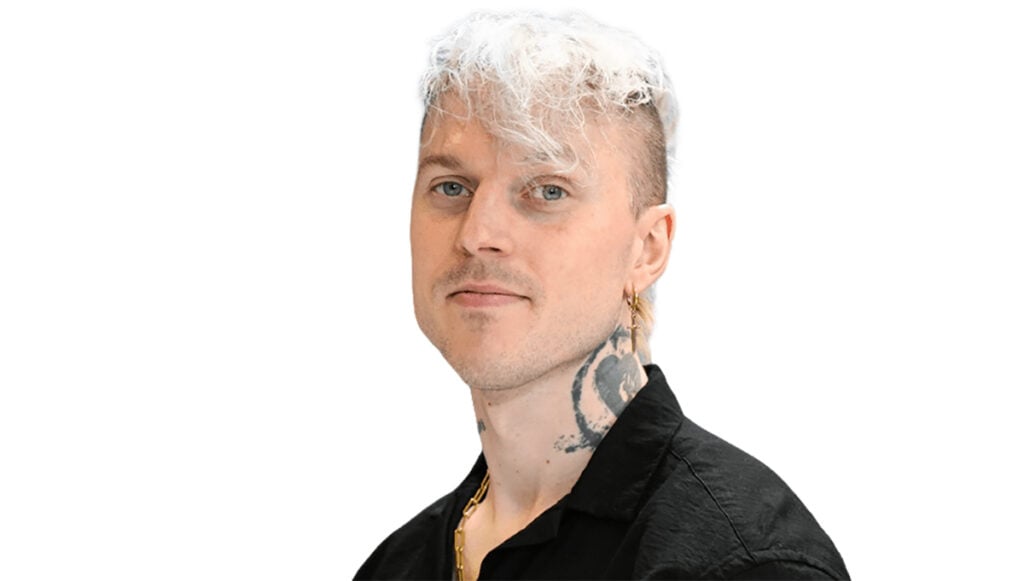
Mallory, January will be your first iGB Affiliate Barcelona show since taking charge of the event. You’ve joined the gaming industry with a fresh perspective, so what have been your initial impressions of the affiliate sector, and how have they shaped your priorities for 2027?
My initial impression has been just how connected, vibrant and fast-moving this industry is. It’s a really tight-knit community, but one that is constantly evolving, adapting and looking for the next opportunity.
Coming into the sector with fresh eyes has made me appreciate both the strength of those existing relationships and the importance of continuing to bring new people, ideas and perspectives into the conversation.
My biggest priority for 2027 is to put the affiliate community first. That means building the show placing our visitors and exhibitors at the heart of every decision we make. It might sound simple, but it’s a principle that has already driven some really exciting initiatives across content, networking and the overall visitor experience.
Ultimately, I want people to feel that iGB Affiliate understands their business, understands the challenges they’re facing and gives them genuine reasons to be there.
You’ve stated that you’re putting content at the heart of iGB Affiliate Barcelona 2027. What’s driving that decision, and what do you think needs to change about the way the industry shares knowledge and discusses its challenges?
The industry is very good at identifying and discussing the big topics, but I think there’s an opportunity to go further. We need to move beyond conversations that simply highlight the challenges and create more opportunities for honest, practical discussions that give people something tangible to take back to their businesses.
People don’t just want to hear what’s happening; they want to understand what it means for them, what they should be doing differently and how others are navigating the same challenges.
That’s what’s driving our approach for 2027. We’re introducing a new 360-degree stage and placing content literally at the heart of the show floor, with a fresh layout designed to make it more accessible, visible and interactive. We want to encourage more debate, different perspectives and audience participation. The ambition is to make content an integral part of the event experience, rather than something that sits separately from the business of the show.
One of the biggest developments is the introduction of a Day Zero programme, bringing together around 100 operators and affiliates for curated meetings and networking. How will you select the participants, and what do you want them to achieve that they wouldn’t necessarily get from the main exhibition?
Historically, we’ve always been able to tell people who attended iGB Affiliate, but we’ve had less control over ensuring the right people were connecting with one another. Day Zero gives us an opportunity to change that.
The programme will be curated by our Head of Live Content, Becky Johnson, with a focus on bringing together the right mix of operators and affiliates, ensuring the people in the room have relevant business interests and something meaningful to gain from meeting each other.
We’re looking to make networking more purposeful. Rather than relying on chance encounters, we want to create an environment where people can make valuable introductions, identify potential partners and start conversations that might otherwise never happen.
The main exhibition will always be about bringing the whole industry together, and that’s incredibly important. Day Zero is an additional layer of value: a more focused opportunity to accelerate those connections and make better use of everyone’s time.
You’ve mentioned the 360-degree stage, which is designed to encourage more direct conversations and audience participation. How will that change the conference experience, and what subjects do you think deserve a more challenging or in-depth discussion?
The 360-degree stage is a much more open format, designed to create an immersive and connected experience. By changing the physical relationship between the speakers and the audience, we’re removing some of those traditional boundaries and making it easier for people to get involved. We want it to feel less like people are sitting back and listening to a presentation, and more like they’re part of the conversation. That means encouraging questions, challenging opinions and making room for different perspectives.
In terms of subjects, there are some really important conversations happening around the changing search landscape, AI, diversification of traffic sources and the evolution of the affiliate business model.
I also think we need to get deeper into the commercial realities: how businesses are measuring quality and lifetime value, how operators and affiliates can build more sustainable partnerships, and how the industry is navigating increasing regulatory and compliance demands.
These are topics that deserve more than a high-level panel discussion. We want people to leave with new thinking, practical insights and perhaps even a few questions they hadn’t considered before.
You’ve outlined plans for a revised exhibition layout, with more dedicated meeting spaces, networking lounges and improved navigation. What have exhibitors and visitors been telling you about their experience, and which changes do you think will make the biggest practical difference?
One of the most important things for me since taking on the event has been listening. We have a very engaged customer base, and both exhibitors and visitors have valuable perspectives on what works well and where we can do better.
A consistent priority is making the time people spend at the show as productive as possible. For exhibitors, that means creating more opportunities for meaningful meetings and business conversations. For visitors, it’s about making the event easier to navigate, creating comfortable spaces to connect and ensuring they can find the people, businesses and content that matter to them.
Our revised layout is designed around those needs. We’re introducing more dedicated meeting and networking spaces, alongside lounges that give people somewhere to step away from the busy exhibition floor and have a proper conversation.
I think the biggest difference will come from how all these elements work together. It’s not just about adding more space or changing the floorplan; it’s about creating a more considered visitor journey and making every part of the show work harder for our customers.
You’re placing particular emphasis on the North Entrance as the dedicated gateway to iGB Affiliate. Is this simply about improving access, or is there also a desire to give iGB Affiliate a stronger, more distinct identity within the wider World Gaming Week?
It’s a combination of both. While iGB Affiliate is co-located at Fira alongside ICE and forms part of World Gaming Week, it is very much a standalone event with its own identity, audience and community. It’s a significant event in its own right, and we want to strengthen that positioning.
We also recognise that Fira is a large venue, so putting the customer first means making the experience as straightforward and seamless as possible from the moment they arrive. Having a clearly defined entrance and visitor journey helps us achieve both objectives. It gives iGB Affiliate a stronger sense of identity while making it easier for our audience to access the event and navigate the space. For me, the experience starts long before someone reaches an exhibitor stand. That first impression matters, and we want people to feel that they’ve arrived at the right place from the outset.
One of your ambitions is to increase attendance, targeting 80 per cent of the top 150 companies. What’s preventing some of those businesses from attending today, and how do you intend to persuade them that Barcelona offers something they can’t get elsewhere?
For me, this is about quality of attendance as much as quantity. We want to make sure we’re attracting the businesses and decision-makers who are shaping the future of the affiliate sector. There can be lots of reasons why companies don’t attend an event. It might be competing business priorities, resource constraints or simply not seeing a clear enough return on the time and investment involved. Our job is to make that value proposition stronger and more obvious.
iGB Affiliate has a really important advantage: it brings together the iGaming affiliate ecosystem in one dedicated environment. It’s where affiliates, operators, networks and technology providers can meet, build relationships, explore new opportunities and do business face-to-face.
We’re also evolving the event to give people more reasons to attend. From curated networking to Day Zero, to more relevant content and a redesigned exhibition experience, we’re creating more opportunities for meaningful engagement. Our ambition to reach 80 per cent of the top 150 companies is about making sure the businesses our exhibitors have flagged as important are in the room. But equally, we want those businesses to recognise that being at iGB Affiliate isn’t simply about maintaining a presence; it’s about being part of the conversations, relationships and opportunities that will help shape their next phase of growth.
Affiliate marketing is moving beyond traditional SEO-led acquisition towards influencers, streamers, Telegram communities and other channels. How much is that changing the profile of the affiliate businesses you want to attract, and how do you bring those newer communities into the event?
We’re definitely seeing the emergence of a new generation of affiliates who may describe themselves as media businesses, publishers, creators or community operators rather than traditional affiliates. The definition of an affiliate is evolving, and I think it’s important that our event evolves with it. These businesses are becoming increasingly relevant to operators and exhibitors who want to reach new audiences and explore different acquisition channels.
Naturally, this is a key focus for us. We want iGB Affiliate to represent the full breadth of the iGaming affiliate ecosystem, not just the more established parts of the market. One of our new initiatives for 2027 is the Streamers Lounge, which will provide a dedicated space for content creators to connect, collaborate and create live content from the event.
It’s about making sure these newer communities feel that iGB Affiliate is relevant to them and that they have a place within it. The industry is changing, and we want to be bringing those different worlds together.
You’ve identified Latin America, Africa and Central and Eastern Europe as important growth opportunities. Are you seeing different affiliate models emerging in those markets, and how are you adapting the event to attract businesses operating in those regions?
Absolutely. One of the most exciting things about the affiliate industry is that it isn’t a one-size-fits-all market. Different regions have different levels of maturity, regulatory environments, consumer behaviours and routes to market, and that creates opportunities for different affiliate models to develop.
We’re seeing markets where established, SEO-led businesses remain important, alongside growing opportunities around social media, influencers, content creators, mobile-first acquisition and local communities.
In regions such as Latin America and Africa, understanding local audiences, building trust and navigating different regulatory and payment environments are particularly important. Meanwhile, Central and Eastern Europe has a well-established affiliate ecosystem, but it’s also a region where businesses continue to innovate and expand into new markets.
For us, the opportunity is to make iGB Affiliate genuinely international, ensuring businesses from these regions see the event as somewhere they can develop partnerships, access new markets and grow their networks. That means continuing to attract a diverse international audience, making sure our content reflects the opportunities and challenges in different regions, and creating the right environment for businesses to connect with potential partners. We don’t want these markets simply represented at the show; we want them actively involved in shaping the conversations and the future of the industry.
iGB Affiliate celebrates its 20th anniversary in 2027, and the event has grown considerably in recent years. With your first Barcelona edition approaching, what would you most like to establish under your leadership, and how will you judge whether the changes you’ve introduced have been successful?
I’d really like to establish a more community-led approach to the event. iGB Affiliate has an incredible history and a very strong community behind it, and I see my role as building on that foundation while making sure we continue to evolve. For me, that means constantly listening, talking to the market and being prepared to make changes. I don’t believe an event should stand still or that we should simply repeat what we’ve always done. We need to be responsive to what our customers are telling us and to where the industry is heading.
Ultimately, success will be judged by our customers, both exhibitors and visitors. Of course, attendance and commercial performance are important measures, but I also want to understand whether we’ve improved the quality of the experience, created more meaningful connections and delivered initiatives that genuinely add value.
We’ll be looking closely at the feedback we receive, what people engage with and, importantly, what they tell us they want to see next.
As we celebrate 20 years of iGB Affiliate, I’d like us to be able to look forward just as much as we look back. The ambition is to respect what has made the event successful while making sure it’s fit for the next 20 years.
iGB Affiliate Barcelona looks to the future while celebrating its 20th anniversary
Ahead of her first edition of iGB Affiliate, Event Director Mallory Reynolds-Trout, explains how it is catering for the new generation of affiliates, the importance of international growth regions including Central and Eastern Europe, Latin America and Africa as well as the target of reaching 80 percent of the top 150 companies.