 ES
ES
 IT
IT
 PT
PT
 DE
DE
 NL
NL



Chile’s Superintendencia de Casinos de Juego is working through a wave of senior leadership vacancies at its headquarters – turnover that, notably, coincides with a pending bill that would hand the regulator a considerably larger job: overseeing online betting platforms alongside its traditional land-based casino remit.
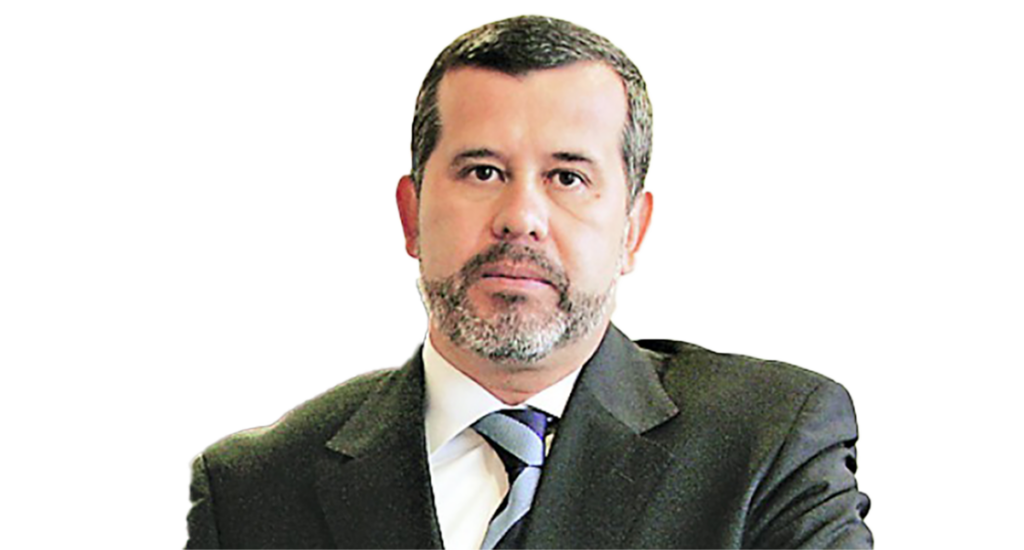
Vivien Villagrán (pictured) stepped down as Superintendent in February after completing three consecutive terms under Chile’s Alta Dirección Pública (ADP) senior civil service system – nine years total, the maximum the framework allows. Eduardo Cáceres, previously head of the regulator’s Fiscalización (oversight) division, has served as acting superintendent since then, with a permanent replacement to be selected through a process run by the Dirección Nacional del Servicio Civil in coordination with the Finance Ministry.
Six months on, no name has yet emerged, and the ministry didn’t respond to Diario Financiero’s questions about the delay – though sources familiar with the agency indicate that whoever is eventually appointed will complete the term Villagrán began in 2022 rather than start a fresh nine-year clock.
Villagrán’s departure isn’t an isolated vacancy. The Superintendencia’s structure below the top office runs through three key divisions – Fiscalización, Autorizaciones (authorisations) and Jurídica (legal) – and all three are cycling through ADP-mandated turnover at once. Carlos Arriagada left the Autorizaciones division in May after his own three terms concluded, with Mario Sanclemente now heading Fiscalización following Cáceres’s move up. Manuel Zárate, head of the Jurídica division, is set to complete his three terms and depart in September, meaning the regulator could be operating with three of four senior leadership positions freshly filled or still vacant within the same calendar year.
The Superintendencia told Diario Financiero it has taken the necessary measures to maintain continuity through the transitions, and that oversight, regulation, sanctions processes and public-facing functions continue operating normally. That includes active work on operating permits for casinos in Iquique, Coquimbo, Viña del Mar, Pucón and Puerto Varas – work the regulator describes as one of its core statutory functions.
Why the timing matters
The leadership transition lands at a genuinely consequential moment for the agency’s mandate. The online betting regulation bill currently before Congress would, as drafted, task this same Superintendencia with supervising the online betting market directly, expanding its name and remit to become the Superintendencia de Casinos, Apuestas y Juegos de Azar – effectively making it the single regulator across both Chile’s established land-based casino sector and its fast-growing online betting industry, including the operators (Betano, Coolbet, JugaBet and others) and the newly formed industry associations now organising around that same legislative process.
Getting stable, permanent leadership in place before that expanded mandate takes effect would give the regulator a stronger institutional footing to take on online betting oversight from day one, rather than building out new regulatory capacity under an acting leadership team. For an industry navigating declining land-based revenue – down roughly 20 per cent in gross income and 30 per cent in visitor numbers over the past seven years – while simultaneously watching online operators organise into associations and lobby for a clear framework, having a fully staffed, permanently led regulator in place is arguably as important to a smooth transition as the legislation itself.