
 ES
ES
 IT
IT
 PT
PT
 DE
DE
 NL
NL


The Directorate General for the Regulation of Gambling says blocking of their pages at the national level is a precautionary measure
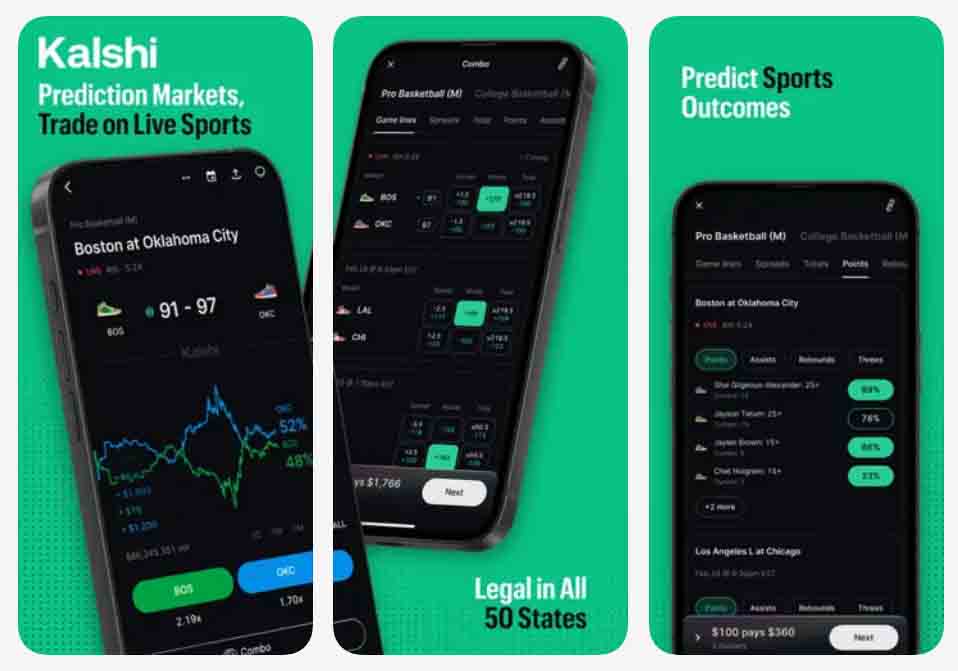
Spain’s Directorate General for the Regulation of Gambling (DGOJ), part of the Ministry of Social Rights, Consumer Affairs and Agenda 2030, has opened disciplinary proceedings for infringement of gambling regulations against two international prediction market platforms, Polymarket and Kalshi, which are reportedly operating in Spain without having the mandatory administrative authorisation.
In addition, as published this Tuesday in the Official State Gazette, Consumer Affairs has ordered the blocking of both websites in state territory as a precautionary measure until the final resolution of the file.
The regulatory authority recalls that Spain, in line with other European jurisdictions, considers prediction markets to be gambling in nature when betting on uncertain future outcomes. Therefore, its operation in Spanish territory requires obtaining a specific administrative license. Likewise, the DGOJ warns that unauthorized operators lack the technical and regulatory guarantees required in Spain, including identity verification systems, mechanisms to control access to minors and people who are self-excluded or prohibited from gambling, or the necessary supervision standards for the protection of users.
The sanctioning file has been notified by publication in the Official State Gazette in accordance with the administrative regulations in force, after attempts at direct notifications to the operators, at their known addresses abroad, were unsuccessful. The procedure will have an estimated duration of between three and four months until the final resolution.
Prediction or cross betting markets are platforms in which users buy and sell shares on prediction of the outcome of future events, assigning prices that reflect the probability of one or the other outcome of said events. Unlike traditional betting, users trade with each other within a market, while the platform acts as an intermediary, facilitating transactions and charging commissions. These markets are used to estimate the probability of various events, such as elections, economic indicators, sports results or weather phenomena, generating interaction collectively.