 ES
 IT
 PT
 DE
 NL


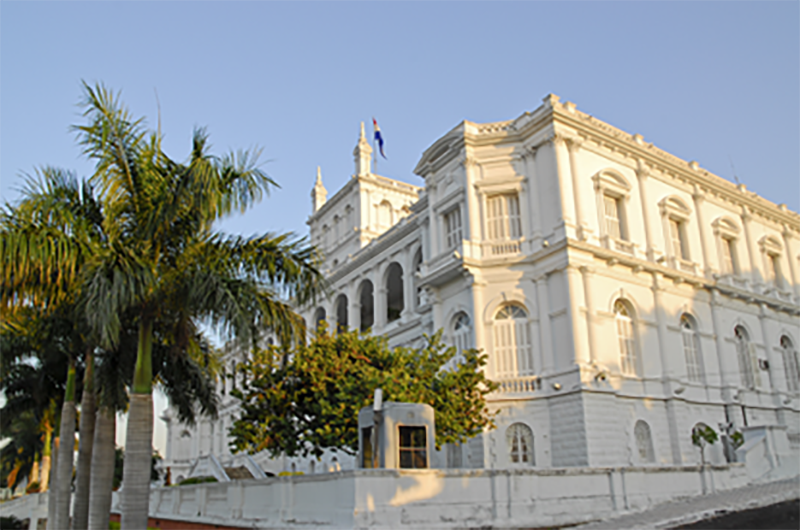
Paraguay’s Senate has begun examining government-backed legislation to establish an autonomous gambling regulator, replacing the National Gambling Commission (CONAJZAR) and strengthening controls over online betting and illegal gambling.
The proposed National Directorate of Gambling (Dirección Nacional de Juegos de Azar – DINAJZAR) would have greater institutional and budgetary autonomy than the existing regulator, which currently operates under the National Directorate of Tax Revenue (DNIT).
The Executive submitted the 72-article bill to the Senate. The proposal would repeal Laws 1,016/1997 and 7,438/2025 and establish a new legal framework for gambling in Paraguay.
During a joint meeting of Senate committees on 26 October, lawmakers and representatives of the government and gambling industry discussed the need to improve regulatory capacity and tackle the growth of illegal gambling.
Senator Luis Pettengill said CONAJZAR currently had just 12 employees responsible for overseeing gambling throughout the country, leaving it with insufficient administrative and budgetary resources to carry out effective inspections.
He also warned of inadequate controls over access to gambling by minors, while noting that the existing legal framework dated from 1997 and had not kept pace with technological developments.
CONAJZAR president Carlos Liseras told the meeting that monthly sector revenue had increased from approximately G.12bn to G.21bn. He argued that the proposed institutional changes would give the regulator the resources and powers needed to expand supervision and combat unlicensed operations.
The bill would give DINAJZAR its own budgetary autonomy and functional independence, while maintaining its relationship with the Executive through the Ministry of Economy and Finance. The bill would allocate five per cent of relevant gambling revenues to the new regulator’s operating budget.
The proposed framework would also strengthen enforcement powers and introduce a more extensive system of sanctions. Illegal gambling operations could become a criminal offence punishable by up to five years in prison.
Online gambling would fall under a new licensing system, with 26 licenses available through a competitive tender. The bill also calls for a national register of those involved in gambling promotion—including influencers—and companies supplying equipment or software.
A new department dedicated to combating gambling addiction and promoting responsible gambling would also be established. The proposed reform follows changes introduced under Law 7,438/2025, which brought CONAJZAR under the DNIT.
The tax authority subsequently approved a new organisational structure for its gambling directorate in October, covering supervision, technical and regulatory matters, concessions and legal advice.
However, the Senate committees are continuing to examine the latest proposal. Following the 26 October meeting, Pettengill said lawmakers expected to work towards a more developed and consensual text within 15 days.