ES
 IT
 PT
 DE
 NL


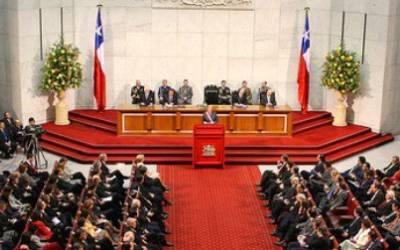
Chile’s government has proposed five year online betting licences alongside a ban on advertising by licensed and unlicensed platforms, revised taxation and a transitional route for existing operators. The Senate Economy Committee began examining the amendments on 27 October.
The package replaces amendments submitted by the previous administration and retains a regulated licensing framework while tightening player protection requirements.
Presented by Finance Undersecretary Sebastián Vallebona, it would prohibit advertising across the sector, covering those commissioning, producing, distributing or facilitating promotional material. Existing advertising contracts involving transitional licensees could continue for up to one year, but only outside hours designated for protecting minors.
Under the proposed tax structure, operators would pay 19% VAT on the monthly difference between stakes and prizes, plus an additional 3% tax on the same base.
The Finance Ministry said this would produce an effective rate of 22%. Licensed operators would also pay an annual fee of 1,000 monthly tax units (UTM).
The changes remove the previously proposed 20% gambling tax and separate contributions of 2% for sport and 1% for responsible gambling. Funding for sport and gambling harm prevention would instead come through the national budget, with minimum additional allocations guaranteed for three years.
Existing operators seeking transitional permission would pay a 3,000 UTM entry fee and demonstrate that they had settled, or agreed a payment plan for, digital VAT accrued over the preceding 36 months. This replaces a proposed 31% retrospective levy. Full payment would extinguish liabilities arising from earlier tax non-compliance relating to declared operations.
Companies operating without authorisation during the preceding 12 months would ordinarily be excluded from obtaining definitive licences, but the transitional regime provides an exception. Definitive applicants would need a Chilean company, minimum capital of 5,000 UTM and a .cl domain.
Additional safeguards include segregated player funds, withdrawals within 24 hours without fees, default deposit and playing-time limits, and restrictions on promotional bonuses. Payment intermediaries would have to reject transactions involving platforms listed as unlicensed by the regulator. The bill, introduced in 2022, remains under Senate consideration and must subsequently pass through its Finance Committee.
The bill has now been under consideration for more than four years, having been introduced in March 2022. After spending almost two years in the Chamber of Deputies, it entered the Senate in late 2023 and has since faced a prolonged committee process.