ES
 IT
 PT
 DE
 NL


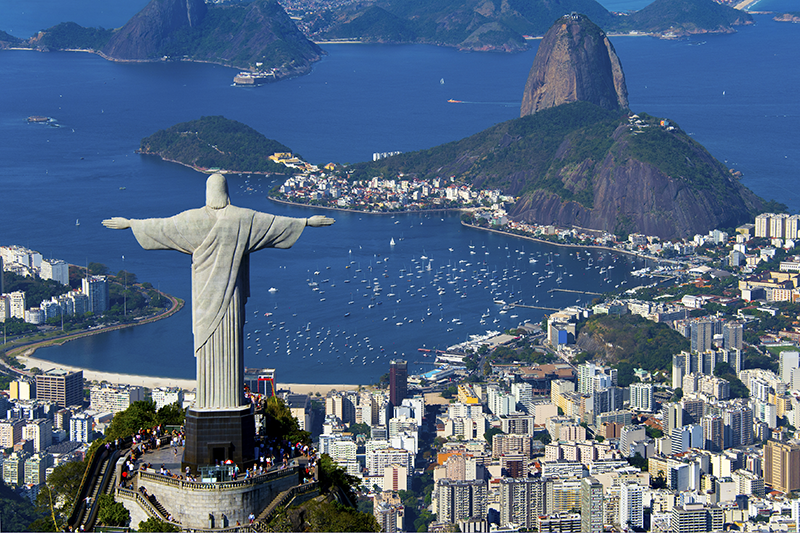
Brazil’s betting industry has warned that the government’s prohibition on fixed-odds betting could cause lasting damage to the regulated market, with operators facing financial difficulties and thousands of jobs potentially at risk. The concerns were raised during SBC Digital Brasil Day on 28 October, which brought together 38 speakers across six panels to examine the implications of Provisional Measure (MP) 1.394/2026.
The measure, introduced in September, prohibits the operation, intermediation and advertising of fixed-odds betting in Brazil and provides for the termination of existing authorisations. The debate comes ahead of a public hearing scheduled for 3 November by Supreme Federal Court (STF) Justice Luiz Fux, following legal challenges to the measure.
Plínio Lemos Jorge, president of the National Association of Games and Lotteries (ANJL), said the industry had been unprepared for the government’s decision and warned that some licensed businesses were already considering judicial recovery proceedings. “We didn’t see the shot coming,” he said, adding that the decision had returned the industry to a period of regulatory uncertainty. The market has gone back to 2022, when there was no prospect at all.”
Lemos Jorge questioned how many of Brazil’s previously licensed operators would be capable of resuming business if the prohibition were overturned. Industry participants also warned that the restrictions could accelerate migration towards illegal gambling platforms.
Payments industry representative Leonardo Baptista estimated that more than 40,000 illegal betting websites were operating, while ANJL confirmed that it had issued extrajudicial notices to Meta, Google and TikTok concerning advertising for unauthorised platforms. The association has also encouraged operators to report websites impersonating licensed brands to police and the Secretariat of Prizes and Bets (SPA).
Former SPA official Waldir Marques defended the safeguards established under Brazil’s licensing regime, including financial and technical requirements, beneficial ownership disclosures and daily transaction reporting through the SIGAP regulatory system. Participants argued that removing licensed operators would undermine these controls while leaving consumers exposed to platforms operating outside regulatory supervision.
Emanuel Macedo de Medeiros, representing SIGA, defended Brazil’s regulatory framework and questioned whether prohibition could achieve the government’s consumer protection objectives. “Regulation may not be a silver bullet, but prohibition is certainly a shot in the foot,” he said.
The financial consequences for sport were another focus of the discussion. Representatives warned that the loss of betting-related revenues could affect sports federations, football clubs and grassroots competitions that depend on funding derived from the regulated sector. Participants estimated that approximately 15,000 direct jobs across more than 180 betting brands could be affected, alongside employment among suppliers and service providers.
Taxation also featured prominently. Tax lawyer Ana Helena Pamplona challenged claims that licensed betting companies were not contributing to public finances, pointing to corporate taxation and sector-specific levies imposed on authorised operators. Journalist Eliane Nunes acknowledged that the industry had struggled to communicate the differences between regulated and illegal operators, while BNLData editor Magnho José criticised the lack of publicly available regulatory data.
José Francisco Manssur, who previously led the betting regulation process at the Finance Ministry, called for coordinated industry representation ahead of the Supreme Court hearing. Ana Bárbara Teixeira, vice-president of Abrajogo, highlighted proposed amendments to the provisional measure, including provisions intended to preserve the regulated market. Meanwhile, lawyer Fernanda Meirelles warned that the commercial damage could persist even if the legislation were overturned, as companies had terminated contracts rather than temporarily suspended them.
The Supreme Court hearing will consider the legal and economic consequences of the prohibition, with government representatives, sporting organisations and industry associations expected to participate.