 ES
ES
 IT
IT
 PT
PT
 DE
DE
 NL
NL


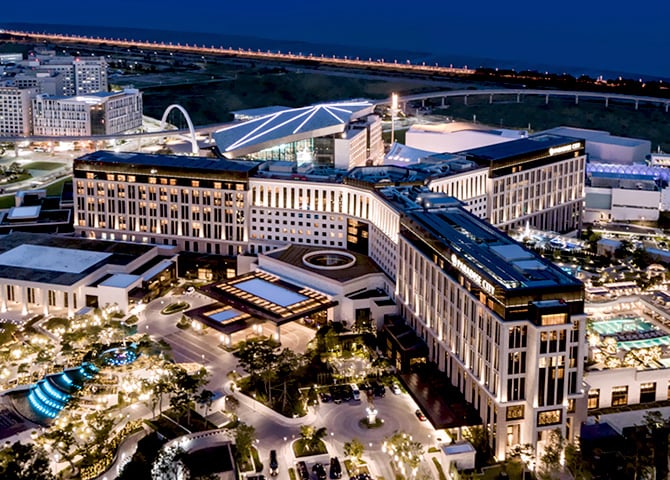
The suggestion of a five-year licence renewal system has also come under fierce criticism
A total of 12 tourism-based associations have issued a joint statement asking South Korea’s Ministry of Culture, Sports and Tourism to cancel plans to increase tourism taxes paid by casinos from 10 per cent to 15 per cent of gaming revenue.
The organisations, which include the Korea Casino Association, the Korea Tourism Association, the Korea Hotel Association and the Korea Association of Travel Agents, jointly stated: “On top of the existing burden of paying individual consumption tax (two per cent to four per cent of revenue), corporate tax and local taxes will hasten the bankruptcy of casino companies that are barely recovering from the aftermath of COVID-19. If excessive fund increases and short-term renewal regulations hold back the domestic industry, Korea’s tourism industry will not escape a vicious cycle of losing global market leadership and national wealth outflow.”
“The casino industry is the only sector that pays to the fund based on ‘revenue’ even when operating at a loss.”
The suggestion of a five-year licence renewal system has also come under fierce criticism.
“Introducing the renewal system would block the attraction of global capital and undermine the future growth of South Korea’s tourism industry,” the statement said.
South Korea’s largest casino operators, who include Paradise Co.’s Paradise City, Walkerhill, and Grand Korea Leisure’s Seven Luck properties, could see contributions increase by KRW30bn to KRW50bn (approximately US$20m to $35m) each year.
The Association has accused the South Korean Ministry of Culture, Sports and Tourism of ‘double standards’ in the way it treats the casino industry, as it remains the only industry that is taxed on its revenue..
The Korea Casino Tourism Association said: “Increasing the levy on top of the existing burden of paying individual consumption tax, corporate tax, and local taxes will hasten the bankruptcy of casino companies that are barely recovering from the aftermath of COVID-19 and are racing toward normalisation.”
“Unlike general levies that are imposed based on profit generation or income and corporate taxes, the casino industry is the only sector that pays to the fund based on ‘revenue’ even when operating at a loss. In fact, over the past decade, about half (8 to 15) of the 17 to 18 domestic casino operators have suffered from annual operating deficits.”
“Stricter regulations and protectionist burdens support the weakening of global competitiveness for reinvestment in the domestic casino industry. It is evident that this will result in the foreign VIP customers that the Korean casino industry has painstakingly attracted being lost to competitors in Southeast Asia and neighbouring Japan.