 ES
ES
 IT
IT
 PT
PT
 DE
DE
 NL
NL


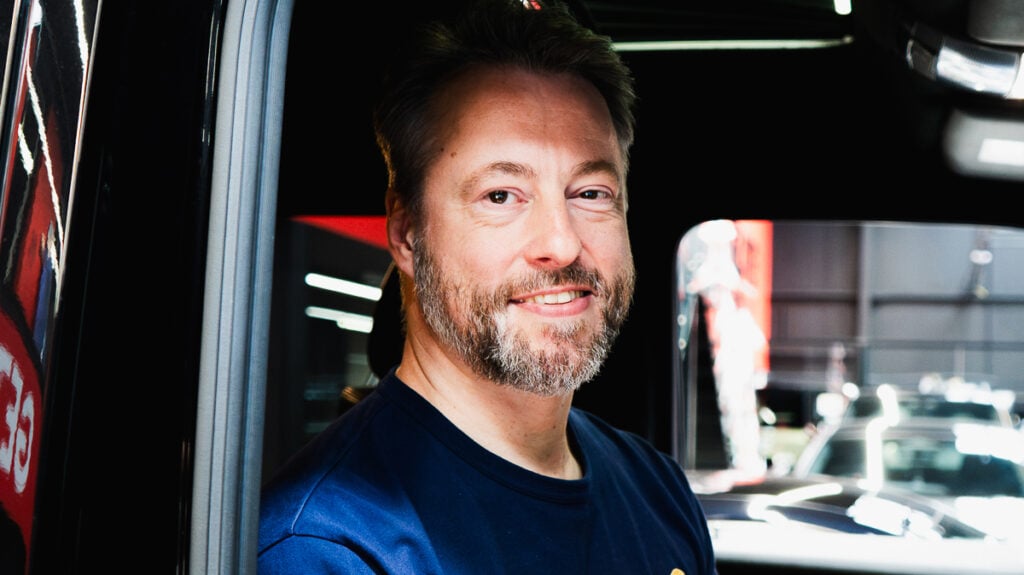
Steven Cross, Chief Commercial Officer at ScatterKings, speaks to G3 about the studio’s launch, how it is bringing quality back to operators’ homepages, and why the team refuses to use AI-generated artwork.
ScatterKings is entering a crowded market with plenty of cookie-cutter content. What specific gaps did you identify in the current slots landscape that made you realise there was room for a new studio?
When we looked at the market, the biggest gap wasn’t volume – it was quality. The industry is releasing close to 100 games a week, and in the race to keep up, many mid-to-low tier studios have sacrificed craftsmanship for speed. The result is an oversupply of templated, reskinned content that neither excites players nor helps operators stand out.
We launched ScatterKings to push back against that trend. Players deserve better, and operators value quality more than ever in a saturated landscape. Using the experience we have built over our many years in this industry, we know exactly where that quality is lost and how to protect it.
We’ve embedded a ‘quality at speed’ approach into our processes, removing the usual pitfalls that slow studios down or make their products weak. That allows us to deliver distinctive, hand-crafted games with innovative mechanics, while still moving fast and creating bespoke titles, such as Sweet Win2Day, developed for win2day. We’re not here to add even more noise – we’re bringing quality back to the top of the agenda.
Your games use hand-drawn graphics enhanced by cloud-native and AI-supported tech. Can you explain how that blend of traditional craft and modern tools will appeal to players?
Hand-drawn art is at the heart of every ScatterKings game because it gives each of our titles clear personality and a human touch. At a time when much of the industry is leaning heavily on AI-generated visuals, there is a real risk that games start to look and feel the same. AI, by its nature, is an averaging model and takes from what already exists. You can see that sameness creeping into the market.
We use AI where it adds real value: for ideation, early concepts and accelerating workflows. It helps us to quickly visualise ideas before handing them to our artists, who bring them to life with a level of creativity, design and originality that AI simply cannot replicate. The same applies to development – great coders still outperform automation when they’re aiming to be above average.
By combining hand-crafted art with cloud-native technology, we deliver smooth, scalable performance without compromising identity or originality. This approach deliberately keeps us out of the AI churn, futureproofs our content, and ensures players get experiences that feel new, not predictable.
How will you balance familiarity with innovation to ensure strong engagement and retention?
We focus on maths that we know works well, while introducing creative twists and handcrafted visuals that make each title unique. This approach allows players to feel confident in the gameplay while also discovering something new, which keeps them engaged and encourages them to return.
What does your development and certification pipeline look like, and how have you built operational reliability into your process?
Operational reliability was built into ScatterKings on day one. Our development pipeline is fast but never rushed, shaped by years of expertise across previous roles where we learned exactly what slows teams down, creates more work and introduces risk. We have implemented tried and tested processes, clear development milestones and robust quality assurance to ensure every game meets a consistently high standard before ever reaching certification.
On the regulatory side, we already hold a Danish Gambling Authority (DGA) licence and we are progressing through the Malta Gaming Authority (MGA) certification process, which provides a comprehensive testing framework and a clear route into multiple regulated markets, including the Balkans. From there, approvals can be efficiently transferred across many jurisdictions, allowing us to scale without friction.
We’re being selective about supplier licences and deliberate about where we expand next. Markets like South Africa, which requires a manufacturer licence, are firmly on our roadmap, and we are already in active discussions with local operators. This measured, compliance-first approach ensures we can move quickly while remaining trustworthy and fully market-ready.
ScatterKings also offers bespoke content for operators. What do these collaborations look like and what level of customisation can you offer?
Bespoke content is one of the strongest ways operators can stand out in a saturated market and demand for it has never been higher. When everyone is offering similar games, and the same promotions and mechanics, exclusivity is a real competitive advantage.
Our bespoke collaborations start with understanding what is resonating with an operator’s audience – whether that’s a theme, visual style or game engine that is already performing well. From there, we can tailor everything from bespoke art and branding to features and bonusing, while building on proven mechanics players already enjoy. That means operators get something genuinely unique without taking unnecessary risk.
Another option is exclusivity, which can range from time-limited launches to full bespoke titles owned in perpetuity, making it a strong boost to acquisition and retention. Every bespoke project still follows our hand-crafted, quality-first approach, and while the development times are no doubt longer, these partnerships deliver standout visibility, deeper brand alignment and content players simply cannot find anywhere else.
With the founding team coming from NOVOMATIC, how is ScatterKings leveraging this experience to shape your strategy and roadmap?
Our background in the industry puts us in a privileged position when it comes to shaping ScatterKings’ strategy. Over years of operating at scale, we have learned that there’s no such thing as a universally successful game – different markets, demographics and player behaviours demand very different content. We also understand the commercial reality that a small percentage of players drives the majority of revenue, and we need to know what exactly resonates with those audiences.
These insights feed directly into our roadmap. We have built a tight commercial-to-product feedback loop that ensures we are creating games operators actually need for their specific markets, rather than hoping one-size-fits-all content lands everywhere. This is knowledge that can’t be learned from a course or replicated quickly, it comes from years of experience.
On the technical side, we have seen firsthand the complexity of building and operating high-performance gaming platforms where players expect instant results, millions of times a day. That experience allows us to combine start-up agility with enterprise-grade stability, giving the studio a roadmap that’s ambitious, yet well-informed and built to last.