 ES
 IT
 PT
 DE
 NL



Two online betting operators have challenged Chile’s website blocking regime in court, alleging that gambling and telecommunications authorities exceeded the scope of the judicial orders underpinning the restrictions.
W&C N.V., operator of Latamwin and WinChile, and the operator of Epicbet filed separate constitutional protection actions against the Superintendence of Casinos (SCJ) and the Undersecretariat of Telecommunications (Subtel).
The challenges followed instructions to internet providers to block 42 URLs, followed by a further 37 domains, subdomains and mirror sites. Under the court backed process, the SCJ validates addresses associated with allegedly unauthorised gambling platforms before Subtel communicates them to providers, which must implement DNS blocks and confirm compliance to the Santiago Court of Appeals.
In its action, W&C argued that Latamwin and WinChile were not among the 12 websites identified in the original Supreme Court proceedings and were neither mirrors nor redirects of those domains.
The Santiago Court of Appeals admitted W&C’s case for consideration and requested reports from the SCJ and Subtel. However, it did not grant immediate relief, meaning Latamwin’s websites remained blocked while proceedings continued. The decision to admit the case was not a ruling on whether the blocks were lawful.
Epicbet filed a separate action alleging that Subtel had removed a condition limiting additional blocks to the 12 original websites or their direct copies, mirrors and redirects. The Santiago Court of Appeals declared its action inadmissible, leaving the Supreme Court to determine whether the case should proceed.
The SCJ has maintained that it followed the court established procedure and merely validated addresses presented through it. Subtel has said its role is technical rather than discretionary, maintaining that it does not decide whether online content is lawful but communicates validated domains to providers.
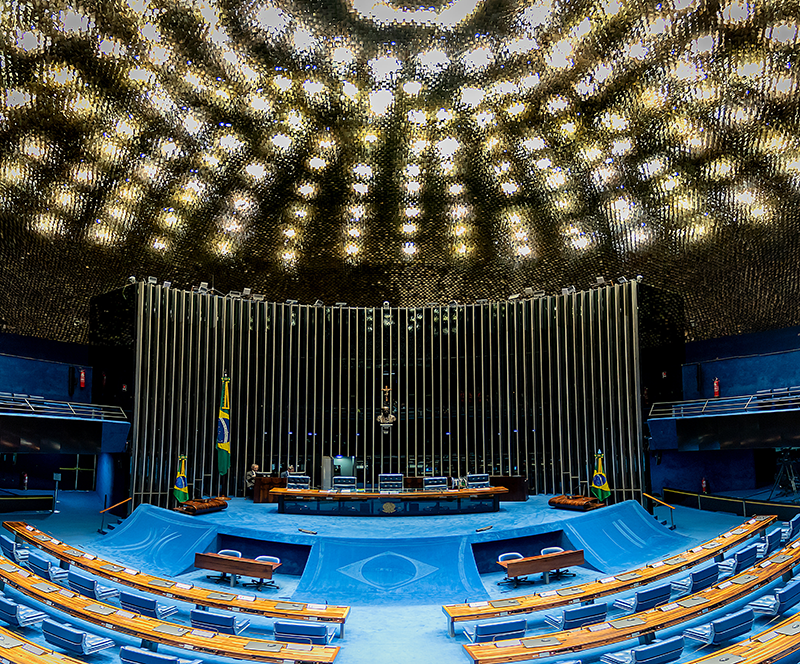
The disputes come as Chile’s Senate considers legislation governing online betting. The bill, in its second constitutional stage, would establish a licensed market with consumer protections, responsible gambling rules, advertising restrictions, safeguards for minors and measures against unlicensed operators.
Chile’s Senate has extended the deadline for amendments to until 26 October, giving the government additional time to coordinate its proposals for the framework.
The extension was granted after the original deadline expired at noon on 16 October without the government submitting its amendments.
Interior and Public Security Minister Claudio Alvarado said the government needed more time to continue technical discussions and consultations to develop proposals that could secure consensus.