 ES
ES
 IT
IT
 PT
PT
 DE
DE
 NL
NL


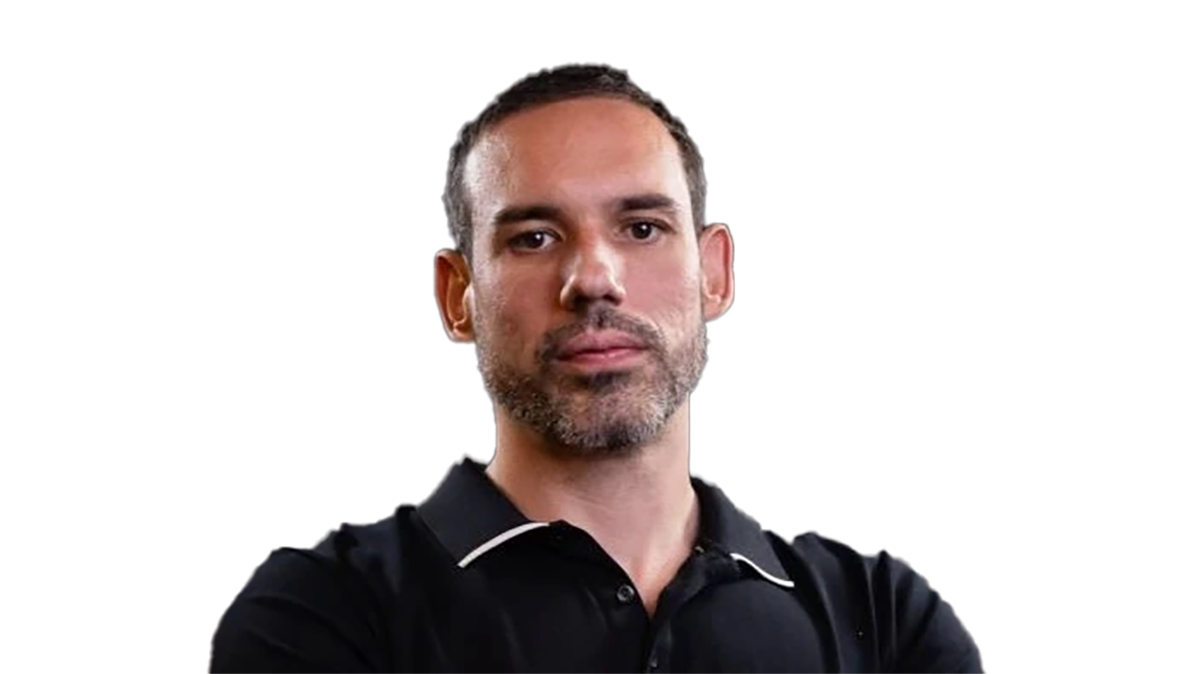
Brazil closed 2025 as the world’s fifth-largest online betting market, moving roughly $4.1bn according to consultancy Regulus Partners, with more than 25 million Brazilians using licensed platforms over the course of the year, per data from the Sistema de Gestão de Apostas (Sigap), the tracking system run by the Secretaria de Prêmios e Apostas (SPA/MF). Even with that level of adoption, how odds are actually calculated remains one of the least understood parts of the business for most bettors — a gap that leadership at Ana Gaming, the holding company behind the 7K Bet brand, used a recent set of interviews to address directly.
Who’s behind the answers
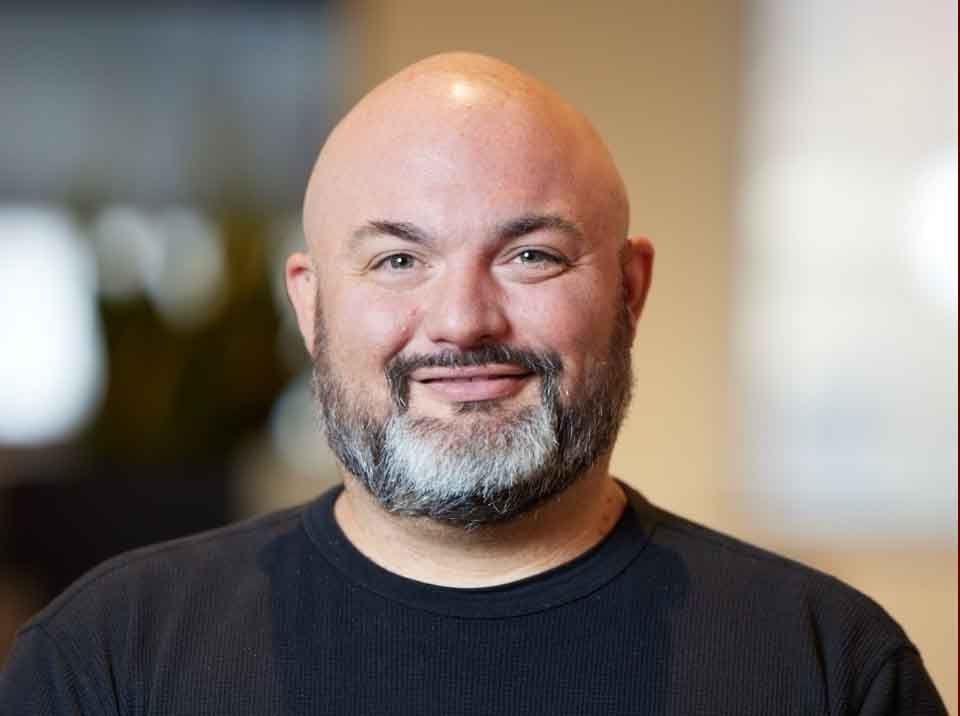
The explanations came from three figures at different points in Ana Gaming’s structure. Nickolas Tadeu Ribeiro de Campos, the company’s founder and Chairman of the Board, has built Ana Gaming – whose portfolio also includes the Cassino Bet and Vera Bet brands – into an operator with more than 20 million registered players and sponsorship ties across several of Brazil’s top competitions, including naming rights to Santos’s official YouTube channel and long-running partnerships with clubs like Mirassol, Vitória and Fortaleza.
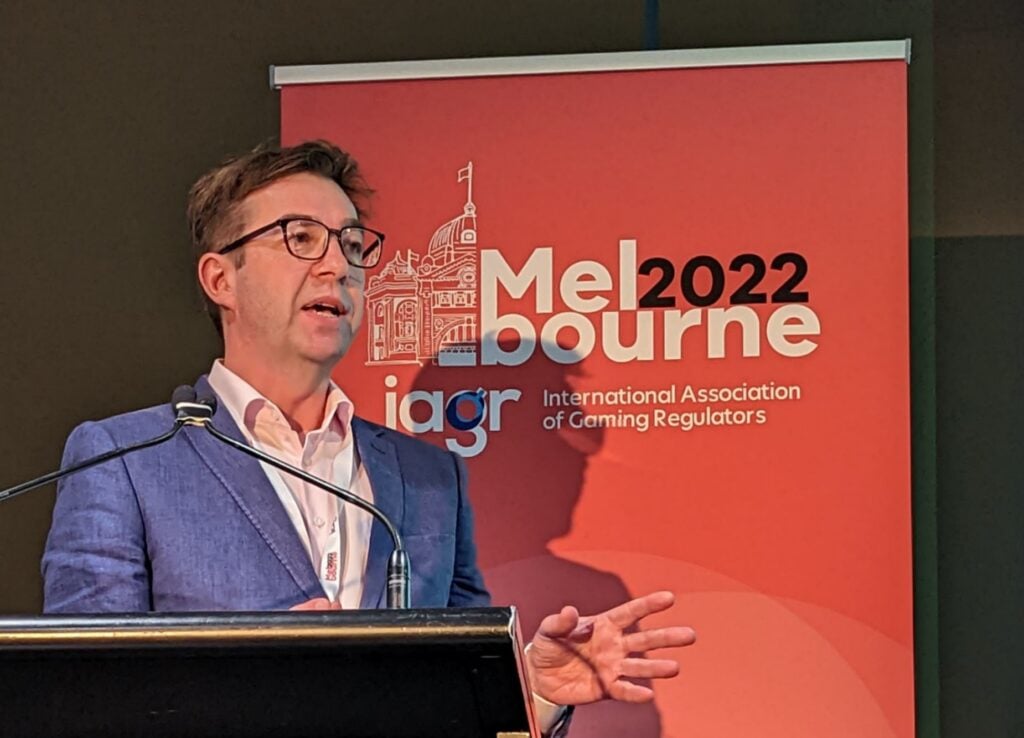
Marco Tulio Oliveira, the group’s CEO since early 2025, joined after 18 years in corporate finance and risk management at companies including Localiza, Unidas and Locamerica, where he led turnarounds, M&A and capital markets transactions – a background the company has framed as central to professionalising its operations as the regulated market matures. Gustavo Afonso Ribeiro e Lacerda, Ana Gaming’s co-founder and a board advisor, rounds out the leadership group and has previously spoken publicly about the technical infrastructure underpinning the group’s platforms.
How odds actually get built
Odds, at their core, represent the calculated probability of a sporting outcome and the payout tied to it – and building them starts well before kickoff. Ana Gaming’s team works through a “pré-live” process blending statistical modelling with human judgment, layering hard data like recent team form, squad depth and possession statistics against softer contextual factors such as last-minute injuries or weather conditions. Once a match starts, that process becomes a live recalculation exercise: goals, red cards and substitutions shift the numbers instantly, and during high-volume events like the 2026 World Cup, that repricing has to happen without any drop in reliability.
Lacerda described real-time operation during a major tournament as fundamentally a technology decision, pointing to continuous investment in proprietary infrastructure and data models built specifically to withstand historic demand spikes without compromising the user experience – a framing that positions odds accuracy as much as an engineering problem as an analytical one.
Regulation as the foundation, not a constraint
The technical build-out has tracked alongside Brazil’s regulatory maturation. In the first quarter of 2026 alone, Sigap recorded 15.2 million unique CPFs placing bets on licensed sites. For Oliveira, that formalisation is the real engine behind the sector’s growth: operating fully within the regulated market is what makes the underlying investment possible, and the predictability introduced by Law 14.790/2023 is specifically what allows the company to commit to data analysis, personnel and long-term process-building rather than operating reactively.
With clearer rules now in place, Ribeiro de Campos argued that understanding how odds work has become a genuine consumer-education priority. In his view, the sector’s continued growth in Brazil obligates operators to pair robust systems with real transparency, so players understand the risks involved and approach betting strictly as entertainment – a standard he said guides how Ana Gaming runs its platforms, particularly as the group’s user base and sponsorship footprint have scaled alongside the broader market’s rapid growth since regulation took effect.