 ES
ES
 IT
IT
 PT
PT
 DE
DE
 NL
NL



Land-based revenues beat online for the first time this year
The nine casinos in Atlantic City recorded their best July since 2012 with revenues of $304.2m, marking an increase of 7.1 per cent from July last year with land-based outpacing online for the first tme this year.
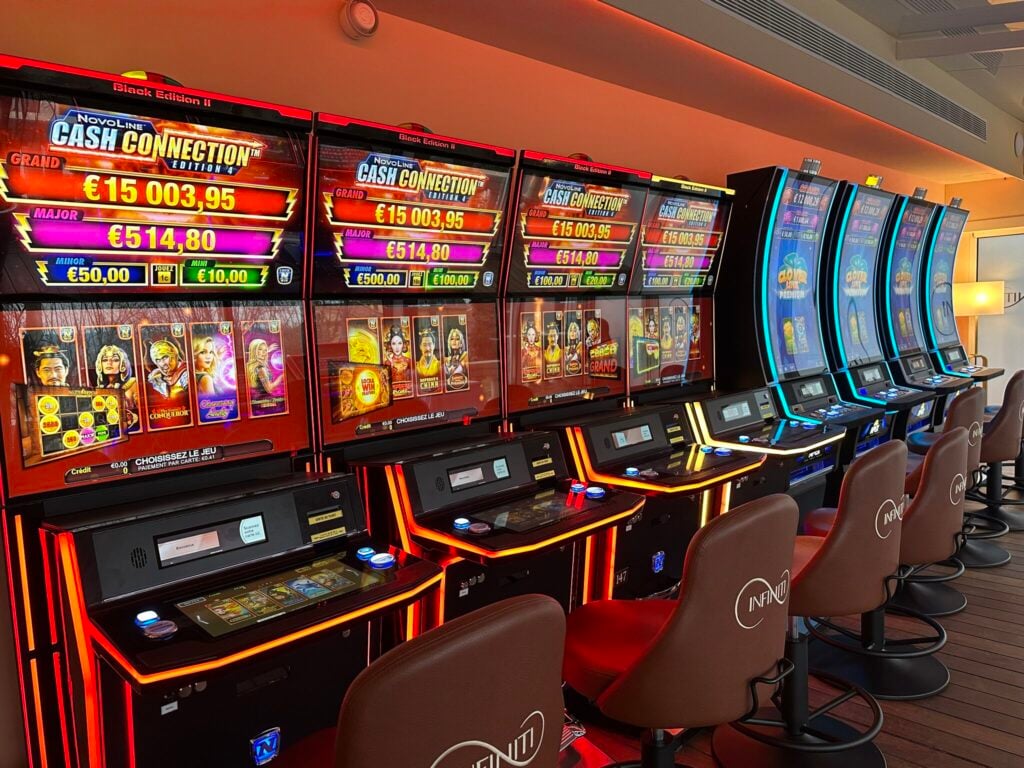
Revenue from slot machines increased by 6.2 per cent to reach $226.1m for the month whilst table revenue surged by 9.5 per cent to $78.1m. Eight of the state’s nine casinos saw year-on-year improvements with only Bally’s seeing a fall.
As always, Borgata was the top earner, bringing in $81.6m, an increase of 2.1 per cent. Caesars generated the biggest increase, up 34.6 per cent to $25.3m, whilst Bally’s fell 13.7 per cent to $12.2m. Ocean‘s gaming floor increased its revenues by 21 per cent, with a 57.8 per cent increase in table revenue, reaching a total of $52.2m.
Online gaming came in at $276.9m, marking an increase of 12 per cent from July 2025. Sports betting increased by almost 30 per cent to reach $97m.
James T. Plousis, Chairman of the New Jersey Casino Control Commission, said: “For the first time this year, monthly in-person casino win exceeded statewide internet gaming win, while internet gaming win recorded its highest monthly result on record. Statewide total gaming revenue eclipsed $4bn faster than in all prior years.’
Brian Tyrrell, Director of Stockton University’s Lloyd D. Levenson Institute of Gaming, Hospitality and Tourism, said: “At the peak of summer, Atlantic City’s casino operators realized the best single-month of brick-and-mortar gross revenue since August 2025 and the second-highest such return in more than a decade. The World Cup may have also favoured Atlantic City’s sportsbooks. In contrast to last month, July’s sports wagering outcomes favoured sportsbooks rather than patrons.”
“As we have learned from experience, such high returns on gross gaming revenues do not always translate to net gaming revenue gains and gross operating profits,” Tyrrell added. Costs of doing business continue to increase and other pressures on the industry may suppress the overall profitability of Atlantic City’s casinos.”