 ES
ES
 IT
IT
 PT
PT
 DE
DE
 NL
NL


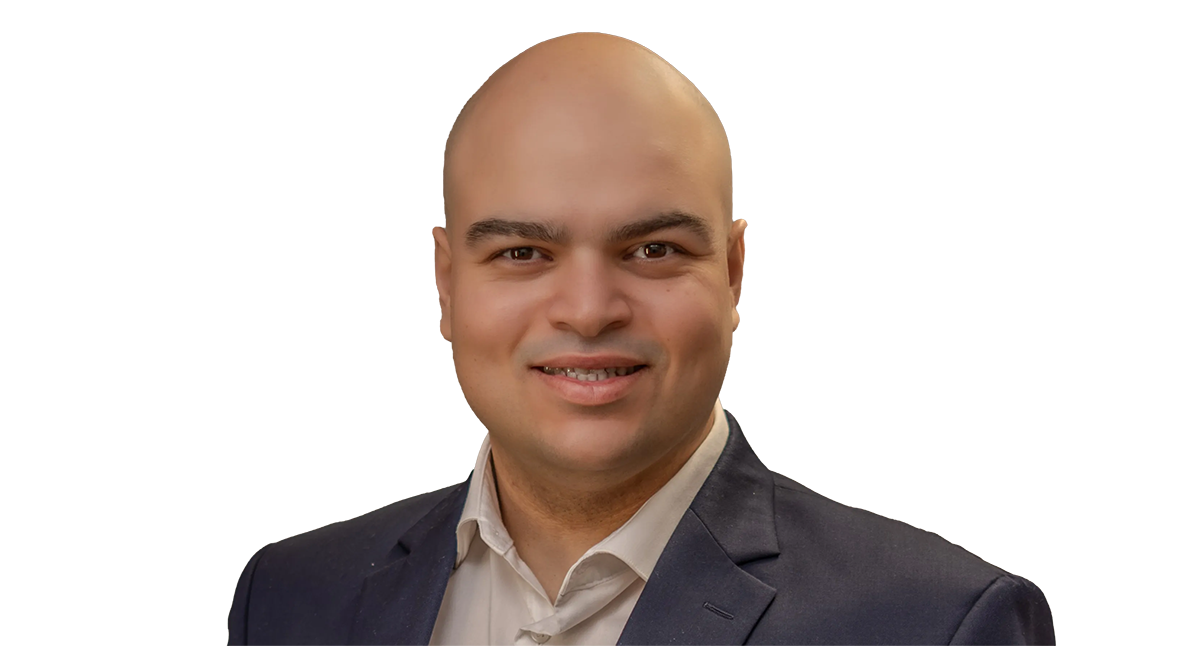
Fellipe Fraga, Chief Business Officer and head of institutional relations at Stellar Gaming is arguing that Brazil’s public conversation around sports betting has increasingly become less about the industry’s real problems and more about who gets to claim the moral high ground in discussing them.
Fraga builds his argument around the concept of virtue signalling – publicly staking out a moral position partly to signal group belonging or ethical standing – and its more pointed academic cousin, moral grandstanding, a term coined by philosophers Justin Tosi and Brandon Warmke to describe moral language used as a tool for status-seeking. He also invokes costly signalling theory, the idea that a position only carries real credibility when there’s a cost to it.
To illustrate the distinction, Fraga describes two encounters with Brazilian influencers, both anonymised. One had consistently turned down betting sponsorships for years, citing a personal family history with gambling harm – a position he’d held, Fraga notes, long before opposing betting companies became socially rewarded. The second, a wellness-focused influencer known for content some might consider unhealthy in its own right, recently published a video publicly refusing a betting sponsorship in indignant terms. Fraga isn’t disputing the sincerity of either case, but uses the contrast to make his central point: rejecting betting industry money has recently acquired its own social currency, turning what could be a straightforward business or personal decision into what he frames as a moral credential.
The argument: incentives, not principles, are shifting
Fraga’s broader claim is that as Brazil’s regulated betting market has moved to the centre of public debate – partly a direct consequence of regulation itself pulling a previously unsupervised sector into the open – taking a public stance against betting companies has become reputationally profitable in a way it wasn’t a few years ago, when many of the same clubs, media outlets, influencers and event organisers now distancing themselves were actively seeking betting sponsorships. He stresses he isn’t criticising people who’ve genuinely changed their minds, but rather flagging how conveniently some positions seem to emerge exactly when they start paying social dividends.
He also points to what he describes as a decline in genuine curiosity. A few years ago, he says, journalists, researchers and students approached him with real questions about how the regulated market operates – its anti-money-laundering mechanisms, responsible gambling tools, or the scale of the illegal market – but now he more often encounters people with firm opinions on the sector who haven’t engaged with the regulatory framework or don’t distinguish licensed operators from illegal ones.
Not dismissing the industry’s real problems
Fraga is careful to frame this as a critique of debate dynamics rather than a denial of the sector’s genuine issues. He explicitly acknowledges problem gambling, indebtedness, advertising standards, and protection of minors and vulnerable users as serious concerns that the regulated market has a direct stake in addressing, arguing that licensed operators are best positioned to drive sustainable, safer outcomes precisely because their long-term interests depend on it. Citing philosophers Neil Levy and Evan Westra, he also concedes that public moral signalling isn’t inherently negative and can reinforce useful social norms – his objection is specifically to cases where the incentive to appear virtuous outweighs the incentive to actually understand the issue.
His conclusion calls for a more substantive Brazilian debate grounded in official data, regulator input, health professionals and the perspectives of people who work inside the industry – not necessarily to produce agreement, he notes, but at minimum to restore genuine questioning to a conversation he feels has increasingly replaced it with positioning.