ES
 IT
 PT
 DE
 NL


Lukáš, you arrived in Lisbon with an expanded portfolio of new games. Which releases generated the strongest reaction from operators, and did anything surprise you about the feedback?
We received very positive feedback from operators, which was encouraging. The most attention went to RespinFruit 81, which builds on our legendary MultiPlay 81, one of our most successful games.
MultiPlay 81 has performed extremely well for years, both land-based and online, so naturally we have high expectations for the new title.
What I particularly enjoyed was seeing how familiar operators already are with our games and how enthusiastic they were about the new releases. I believe RespinFruit 81 has a real chance of becoming another flagship title in our portfolio.
You’ve been developing new interactive features and bonus mechanics. Which innovations showcased in Lisbon represent the biggest departure from your previous games, and what prompted those changes?
Traditional fruit games have always been our biggest strength, and we certainly don’t want to move away from that. Players know our games, they know what to expect, and that’s one of the reasons they perform so well. At the same time, the market is changing, and players are looking for something new. That’s why we’re introducing additional features, bonus mechanics and different gameplay elements while retaining the original DNA of our games.
For us, it’s not about making games more complicated. It’s about making them more entertaining while preserving what made them successful in the first place.
Seven games were certified for the Czech market in Q2 this year. How important is refreshing your domestic portfolio alongside international expansion, and are those titles intended for release elsewhere?
The Czech Republic and Slovakia will always be extremely important markets for us. We have a strong position in both countries, and we certainly don’t take that for granted. We usually launch new games in our home markets first because the certification process is more straightforward, and we can assess how the games perform in a live environment before introducing them internationally.
Of course, our goal is to bring successful titles to as many markets as possible. However, we’re also learning that every market is different. What works perfectly in the Czech Republic might not necessarily work in Spain or Mexico, so we’re increasingly adapting our portfolio to local player preferences.
You’ve made considerable progress in the Balkans, particularly Serbia, Croatia and Romania. Which markets are developing fastest, and what differences are you seeing in player preferences?
The Balkans are a very interesting region for us, and we’ve made good progress this year, particularly in Serbia and Croatia. One of the biggest differences compared with our traditional markets is brand awareness. In countries such as the Czech Republic, Slovakia and Spain, players already know our games from land-based casinos. In the Balkans, we’re effectively building that recognition from scratch.
That’s why we’re working closely with operators on game positioning, promotions and visibility. It’s still too early to say which market will perform best, but I see strong potential across the region. Our next step isn’t simply to launch with more operators. It’s to make sure our games receive the visibility and support they need to succeed.
Austria represents another important step in your regulated-market expansion. What has entering that market taught you, and how does it compare with your established Central European territories?
Austria is a very specific market, mainly because of its regulatory structure and the limited number of opportunities available to suppliers. We were pleased to enter the market, particularly because Austrian players are already familiar with many of our games from the land-based sector.
However, entering a market and becoming successful there are two different things. We’ve learned that having great games is only part of the equation. You also need effective positioning, visibility and support from operators. We’re now concentrating on improving performance and making sure our games receive the attention they deserve. I still believe Austria has significant potential for us.
Spain is already an established land-based market for e-gaming, but you’ve also discussed further online operator launches. How are those plans progressing?
Spain is one of our most important markets, and we have a very strong position in the land-based segment. We have an excellent local partner, and together we’ve built a business we’re extremely proud of. Our focus now is also on growing our online presence. We already have several discussions and projects underway with operators and aggregation platforms, and we’re working to bring more of our games to Spanish online players.
The big advantage is that many players already recognise our titles from land-based venues. I believe Spain can become one of our strongest online markets as well, and that’s certainly one of our commercial priorities.
Greece has also featured in your expansion plans. How close are you to launching there, and what makes the market attractive for your portfolio?
Greece is one of our biggest priorities right now. We’ve already completed most of the preparation, including game certification, and we’re currently in the final stages of the licensing process. We’re working closely with some of the largest operators in the market, and our goal is to launch as soon as everything is approved. We’re targeting the end of 2026, although some launches may move into the first quarter of 2027.
What makes Greece particularly interesting is the strength of its online casino market and the quality of the operators. We’ve received very positive feedback on our portfolio, and I personally have high expectations for this market.
With your games now available in around 15 regulated markets and more than 100 online casinos, is the priority to increase distribution in existing territories or accelerate entry into new ones?
I’d say both, but it’s no longer just about the number of markets or operators. Of course, we want to continue expanding internationally, and we have several promising markets in our pipeline. At the same time, we need to make sure we’re realising the full potential of markets where we’re already live.
For me, signing an agreement and launching games is only the beginning. What really matters is what happens afterwards: game positioning, promotions, player engagement and, ultimately, performance. Our strategy is straightforward. We want to continue entering new markets while working much more closely with existing partners to improve results.
You’ve brought your land-based and online systems together on a single platform. Has that delivered tangible benefits in game development, certification or getting new products to operators more quickly?
One of our biggest advantages is that we have more than 20 years of experience developing games for the land-based sector, so we already have a strong understanding of which mechanics players enjoy.
However, moving a successful land-based game online isn’t as simple as transferring it to another platform. There’s still considerable development, adaptation, testing and certification involved. From a regulatory perspective, these are essentially new products, so there aren’t really any shortcuts.
Where I see the biggest advantage is in our knowledge of the games and player behaviour. We don’t have to guess whether certain mechanics will work. We already have years of experience and performance data behind many of our most successful titles.
Building on Familiar Foundations
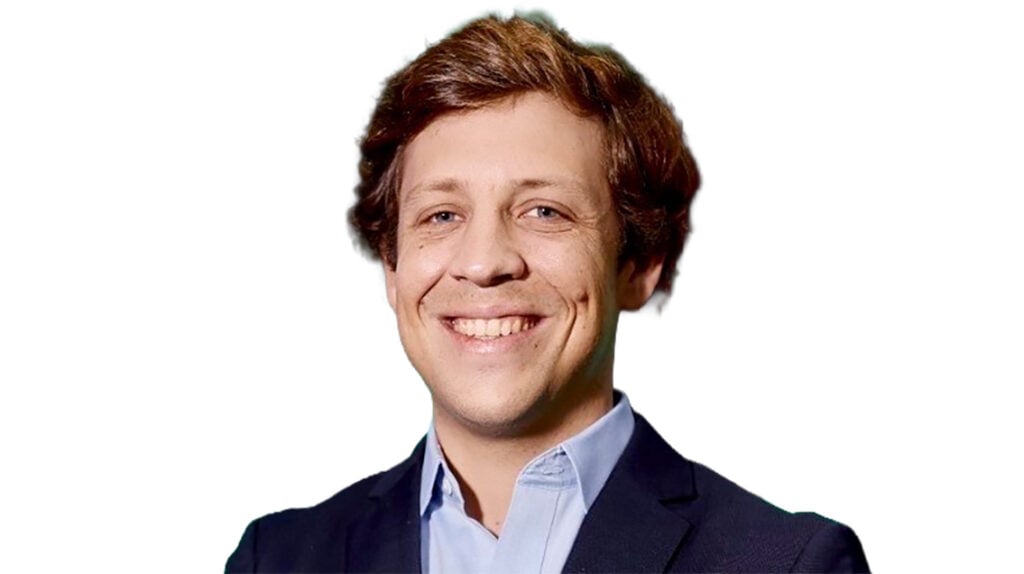
With new game mechanics, an expanding presence across regulated markets and further launches planned in Greece and Spain, e-gaming is looking to build on its land-based heritage while strengthening its online business. G3 speaks to Lukáš Trávníček, Sales Director, Online Gaming, about the response to its latest releases at SBC Summit Lisbon and the priorities shaping its international expansion.