ES
 IT
 PT
 DE
 NL


Europe’s illegal online gambling market generated an estimated €12bn in net revenue in 2025, according to research commissioned by Euromat, representing a threefold increase since 2019 and a market equivalent to 25 per cent of the total European online gambling sector.
The study, conducted by Regulus Partners and digital research consultancy Helios, examined 28 European online gambling markets, combining web traffic and digital marketing analysis with economic data and an assessment of national regulatory policies.
Its findings suggest that government interventions, including higher taxation, restrictions on products and advertising, and affordability measures, can inadvertently encourage consumers to migrate towards unregulated operators.
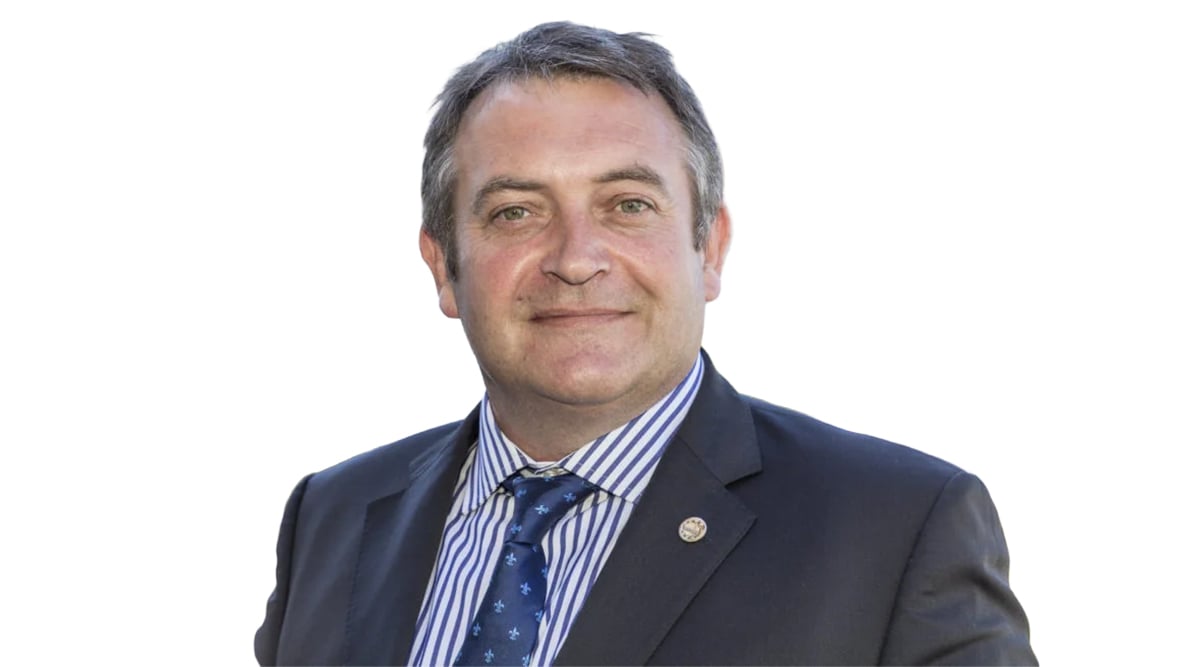
For Jason Frost, President of Euromat, the European association representing the land-based gaming and amusement industry, the findings reinforce concerns about the growing imbalance between the obligations imposed on licensed businesses and the freedom enjoyed by illegal competitors.
“Our members are increasingly concerned that rising taxation and regulatory burdens are placing enormous pressure on the land-based sector, contributing to business closures, while the illegal gambling market continues to expand largely unchecked,” explains Jason speaking exclusively to G3.
While the €12bn estimate illustrates the scale of the problem, Jason believes the most important implications concern consumer protection.
“The most significant concern is that players using illegal gambling sites are operating without the protections available in regulated markets. These include stake limits, self-exclusion measures and safeguards for customer funds. When players migrate to unlicensed operators, those protections effectively disappear.”
Turning Research into Regulatory Action
Euromat intends to use the research as the foundation for a sustained engagement programme with European policymakers, regulators and law enforcement agencies. The association has already distributed the findings to national regulators, Members of the European Parliament, EU departments and Interpol, with further meetings taking place to explain the methodology and its implications.
“We have shared the report with regulators, MEPs, relevant EU departments and Interpol, and we are continuing to engage with these organisations to explain the findings and discuss the implications for the regulated industry.” Jason believes the research provides Euromat with a stronger evidence base for challenging existing regulatory approaches, particularly because the methodology allows policymakers to examine how the conclusions were reached.
“What makes this research particularly valuable is the depth of the analysis and the transparency of the methodology. We can demonstrate how the findings were established, which gives policymakers a much clearer picture of the scale and characteristics of the illegal market. As a result, we are seeing increasing engagement from regulators and European institutions.”
The research announcement highlighted the role that government policy can play in creating conditions favourable to illegal operators. Filip Jelavić, Owner and Project Lead at Helios, argued that restrictions which reduce consumer choice, distort value or introduce friction into established gambling behaviour can encourage customers to seek alternatives outside the regulated market.
Jason points to the Netherlands as an example of the difficulties governments face in balancing taxation, regulation and market sustainability. “The Dutch regulator has recently acknowledged that increasing taxation and placing additional pressure on the regulated market has not delivered the intended results. The message we are taking to policymakers is that excessive taxation and increasingly restrictive regulation can have unintended consequences, potentially exposing more players to harm by encouraging them to move towards illegal alternatives.”
The broader concern is that policies intended to protect consumers or increase tax receipts may prove counterproductive if they make regulated gambling significantly less attractive than unlicensed alternatives.
Advertising and the Growth of Illegal Brands
One of the study’s findings is the increasing sophistication of illegal online gambling businesses. According to the research, some unregulated operators have developed recognisable international brands, supported by cryptocurrency payments, affiliate networks and digital marketing strategies that allow them to reach European consumers despite national restrictions.
The researchers identified cryptocurrency as an important factor in the growth of illegal gambling, particularly where consumers have limited opportunities to gamble legally using digital currencies.
Jason is particularly concerned about the continued visibility of illegal gambling advertising on major social media platforms. “Advertising is fundamental to attracting customers, and we continue to see illegal gambling operators promoting their services through platforms such as Facebook and Instagram. In some cases, these businesses are even misrepresenting themselves as legitimate, established brands.”
He cites an example from Romania involving an unauthorised gambling website presenting itself as a Netflix-branded casino, despite having no association with the entertainment company. “We have seen examples of illegal operators fraudulently using recognised brand identities to attract players. There was a case in Romania involving a supposed Netflix casino that had no connection whatsoever to the company, yet was still able to advertise its services. Major social media platforms have a responsibility to address this. Removing advertising for illegal gambling sites would be an important first step.”
The ability of illegal operators to advertise, recruit customers and establish brands raises questions about whether existing enforcement arrangements are sufficient to tackle a market that operates across national borders. Although Croatia has introduced measures to block illegal gambling websites, Jason argues that individual national initiatives cannot provide a comprehensive solution.
“Croatia has taken steps to block illegal gambling websites, which is encouraging, but we need a more coordinated and nuanced approach. I believe there is a strong case for establishing a dedicated European taskforce to address illegal gambling across national borders.”
The Case for a European Taskforce
Website blocking, payment restrictions and enforcement against individual operators are already part of the regulatory response in several European jurisdictions. However, Jason questions whether these measures are having a sufficient impact on the overall size of the illegal market.
“The continued growth of illegal gambling suggests that existing enforcement measures are not yet achieving the necessary results. That is not an argument for abandoning enforcement, but for strengthening and coordinating our efforts. We also need to recognise the substantial tax revenues being lost, which ultimately affects citizens and public services across the countries covered by the research.”
For Euromat, the response must involve greater cooperation between regulators, law enforcement agencies and European institutions, rather than relying exclusively on individual member states. “There is too much at stake for Europe to continue addressing this problem through fragmented national initiatives. The EU needs to take a more active role, and a dedicated taskforce would provide a framework for coordinating enforcement and tackling the increasingly sophisticated methods used by illegal operators.”
The association’s original research announcement also raised concerns about the relationship between illegal gambling and organised crime. Citing insights from the United Nations Office on Drugs and Crime, Euromat warned that illegal gambling profits can provide liquidity for other criminal activities, including drug trafficking, human trafficking and firearms smuggling. Jason’s argues. that governments must consider the wider consequences of regulatory decisions rather than viewing illegal gambling solely as a matter of lost tax revenue.
Protecting the Regulated Market
Although the research concentrates on illegal online gambling, Euromat believes the consequences are directly relevant to Europe’s land-based gaming and amusement businesses. Licensed operators face taxation, compliance costs, player protection obligations and other regulatory requirements that illegal competitors can avoid. The resulting difference in operating costs allows unregulated businesses to offer incentives and returns that may be difficult for legitimate operators to match.
Jason believes governments need to recognise the relationship between the pressures placed on licensed operators and the opportunities created for illegal competitors. “Governments need to understand both the revenue they are losing and the potential harm they are inadvertently causing. By continually increasing the regulatory and taxation burden on licensed businesses, they risk making illegal alternatives more attractive to consumers.”
He also questions whether enforcement priorities have become disproportionately focused on businesses that are already compliant and readily accessible to regulators. “There is a tendency to concentrate enforcement efforts on licensed operators because they are easier to regulate, while the businesses operating outside the system remain much harder to reach. Governments have a responsibility to protect both consumers and the legitimate businesses that comply with their regulations. That requires a much stronger response to illegal gambling.”
For Euromat’s members, the issue is increasingly one of commercial sustainability. As operating costs and regulatory obligations rise, licensed land-based businesses face pressure on margins and, in some cases, closure. Meanwhile, illegal online operators continue to compete for consumer spending without equivalent responsibilities.
Jason argues that this imbalance threatens not only businesses but also the employment, supply chains and economic contributions associated with the regulated industry. “Regulated operators are being placed under increasing financial pressure, with some being forced out of business, while illegal competitors continue to grow without paying taxes or meeting the same player protection requirements. Beyond the commercial impact, this exposes consumers to greater risks and creates opportunities for organised crime.”
He believes governments must recognise that supporting a sustainable regulated industry is an essential part of tackling illegal gambling. “Licensed operators need governments to recognise the value of the regulated market and take meaningful action to protect it. This is about safeguarding businesses, employees and consumers, while ensuring that illegal operators are no longer able to compete without accountability.”
For Jason, the priority is ensuring that governments recognise the connection between the sustainability of licensed gambling, effective consumer protection and the continued expansion of the illegal market. Without a more coordinated response, Euromat fears that the imbalance between regulated and unregulated operators will only become more pronounced.